A rough sketch, a clever mechanism, or a problem worth solving can be the start of a real business. But an idea alone cannot be tested, manufactured, protected, or sold. Affordable product design services give inventors and growing companies a practical path from early concept to a functional, market-ready product without requiring an in-house engineering department.
Affordability should never mean cutting corners on the work that determines whether a product functions. It should mean making smart decisions in the right order, investing in proof before production, and working with a development partner that understands both engineering and commercialization.
What Affordable Product Design Services Should Deliver
The lowest quote is not always the most affordable choice. A cheap design that cannot be prototyped, fails during testing, or creates manufacturing problems often costs far more to correct later. Real value comes from reducing uncertainty before the expensive stages begin.
A capable product development team helps translate your vision into defined requirements. What must the product do? Who will use it? What conditions must it survive? What materials, components, size limits, safety considerations, and target costs will shape the design? Clear answers prevent the project from drifting and give every later decision a purpose.
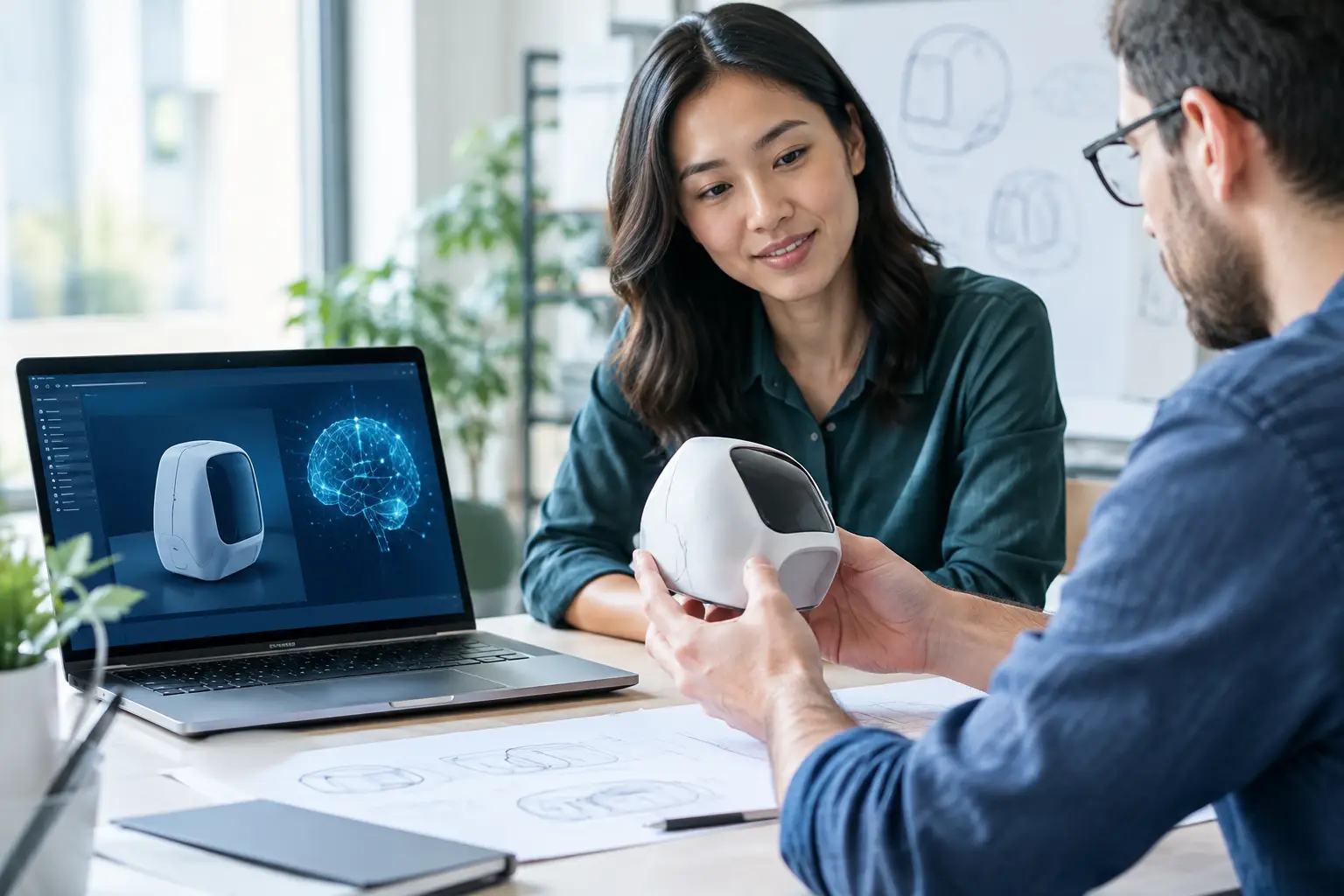
For many inventors, the best starting point is not a finished CAD package or a large production order. It is a focused concept development phase that identifies the product’s core function and the most realistic route to prove it. This may include industrial design, computer modeling, engineering analysis, and an initial prototype plan.
The result should be more than attractive renderings. You should have a clearer product definition, a practical next step, and evidence that supports conversations with manufacturers, investors, partners, or patent professionals.
Start With the Problem, Not the Feature List
First-time inventors often arrive with a long list of features. That is understandable. You have lived with the problem and can see every possibility. The challenge is that every feature adds design time, technical risk, parts, tooling complexity, and cost.
A disciplined development process identifies the product’s minimum viable function first. If your product cannot perform its central job reliably, added features will not save it. A focused early prototype can answer the questions that matter most: Does the mechanism work? Is the product comfortable to use? Can the electronics operate as intended? Is the concept different enough to deserve further investment?
This is where affordable product design services create leverage. Rather than paying to develop every version in your head, you can test the assumptions most likely to affect the product’s future. Some ideas need a simple appearance model. Others need a working electro-mechanical prototype. The right approach depends on the risk you need to retire.
Use Development Phases to Control Spending
Product development does not need to be an all-or-nothing commitment. The most cost-conscious projects move through planned phases, with a decision point after each one. That allows you to approve the next investment based on what you have learned rather than hope alone.
The first phase is concept definition. Your development partner reviews the idea, intended user, competitive landscape, and primary technical challenges. This is the time to expose assumptions, not hide them.
Next comes design and engineering. Industrial design shapes the user experience, form, and usability, while mechanical and electrical engineering address function, materials, components, tolerances, power, and assembly. Not every project requires every discipline at once. A mechanical consumer product and a connected device have very different requirements.
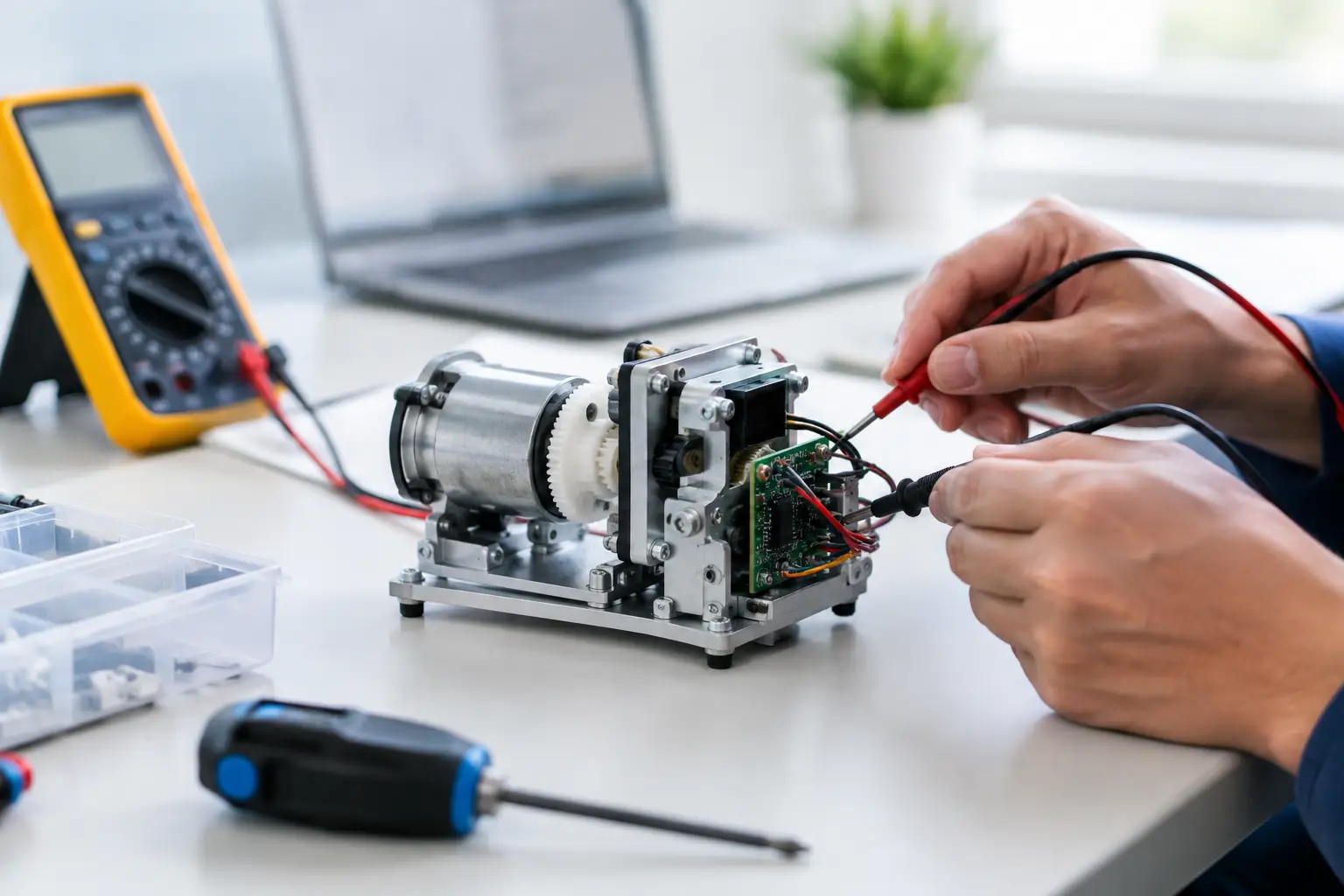
The prototype phase turns digital work into physical evidence. A prototype may be built to check fit, usability, appearance, mechanical movement, electronics, or overall functionality. It is rarely the final production version, and that is exactly the point. It gives you permission to find problems while changes are still manageable.
Then comes manufacturing preparation. Once the product has proven its value and function, the work can shift toward design-for-manufacturing refinements, supplier communication, production materials, tooling decisions, and documentation. Waiting until this point to spend heavily on production preparation protects your budget from premature commitments.
Know What Drives Product Design Costs
No responsible firm can price every idea the same way. A molded plastic accessory, a medical-adjacent device, a kitchen tool, and a battery-powered consumer product each carry different technical and regulatory demands. Still, understanding the major cost drivers helps you plan intelligently.
Complexity matters. Products with moving mechanisms, custom electronics, apps, batteries, sensors, wireless communication, or demanding environmental requirements generally need more development and testing. The number of unique parts also matters, as does the precision required for them to work together.
Prototype intent affects price as well. A visual model for a pitch meeting can be less involved than a working prototype that must withstand repeated use. A prototype intended to support a patent discussion may need to demonstrate a specific inventive feature. A prototype intended for manufacturer review may require more attention to materials, assembly, and tolerances.
Revisions are another factor. Revision is not a failure – it is a normal part of developing a new product. The goal is to make revisions purposeful. When the project has defined requirements, recorded decisions, and regular design reviews, changes are less likely to create avoidable rework.
Avoid the False Savings That Hurt New Products
Trying to save money by skipping engineering is tempting, especially when the idea seems simple. Yet many products appear simple only after someone has solved the difficult details behind them. A lid that seals consistently, a latch that survives thousands of cycles, or a compact enclosure that safely holds electronics can require careful design work.
Another common mistake is moving directly to manufacturing before validating the prototype. Manufacturers are valuable partners, but production is not a substitute for product development. If key design questions remain unanswered, early factory samples can become an expensive cycle of changes, delays, and misunderstandings.
It also pays to be cautious with generic online design services that promise a finished product for a fixed, very low fee. They may be useful for basic visualization, but many lack the engineering depth required to evaluate mechanisms, electronics, manufacturability, or intellectual property strategy. Ask what is included, who performs the work, and what files, models, and documentation you will own at the end.
Build Intellectual Property Considerations Into the Process
For an inventor, protecting a valuable idea is not an afterthought. Design decisions can influence what you are able to show, describe, and support in a patent filing. A proof-of-concept prototype can help make the invention more concrete while revealing variations and functional details that deserve consideration.
Engineering teams can support patent-oriented development by documenting the product’s operation, creating technical drawings, and building models that demonstrate the inventive concept. Patent legal advice and filing decisions should come from a qualified patent attorney or agent, but product development and IP planning work better when they are coordinated early.
You should also keep records of your project: concept notes, design iterations, test results, CAD files, and decisions. These materials help preserve the development history and make future manufacturing, licensing, or investor discussions more productive.
How to Choose a Product Development Partner
The right partner should be willing to discuss your idea in practical terms, including what may not work yet. Be wary of anyone who promises immediate success without asking detailed questions. Product development requires creativity, but it also requires candid technical judgment.
Look for a team that can explain its process in plain language and connect each activity to a business purpose. You should understand why a particular prototype is being recommended, what it will prove, what its limitations are, and what decision comes next.
It is also helpful to work with a firm that can coordinate concept development, industrial design, engineering, prototyping, and manufacturing preparation. Handing an unfinished design from one disconnected provider to another can create lost context and duplicated work. Industry of Concepts LLC helps clients keep that path connected, from uncertain ideas through functional prototypes and patent-oriented product development support.
Before you begin, ask about project scope, milestones, deliverables, ownership of files, revision expectations, and communication cadence. A clear proposal protects both sides and helps you compare service providers on more than price alone.
Put Your First Dollar Where It Creates Proof
The best first investment is usually the one that answers the biggest question about your product. For one inventor, that could be a mechanism test. For another, it could be a user-focused design study, an electronics feasibility review, or a prototype that demonstrates the invention’s defining function.
You do not need to have every answer before asking for help. You do need a willingness to make decisions based on evidence. Start with the problem your product solves, define what must be proven, and let each development phase earn the next one. That is how a promising idea becomes something real enough to protect, improve, and bring to market.