A sketch on a notepad can feel promising. A working prototype tells you what is actually real.
That is the value behind the question, what is rapid prototyping process? It is the structured method of turning an early product idea into a physical or functional model quickly, so you can test it, improve it, and make smarter decisions before investing in tooling, inventory, or a full production launch. For inventors, startups, and growing companies, that speed is not just convenient. It can save time, money, and months of avoidable mistakes.
What Is Rapid Prototyping Process in Product Development?
The rapid prototyping process is a fast-cycle approach to product development where a concept is translated into an early model, reviewed, refined, and rebuilt as needed. The goal is not perfection on the first try. The goal is progress.
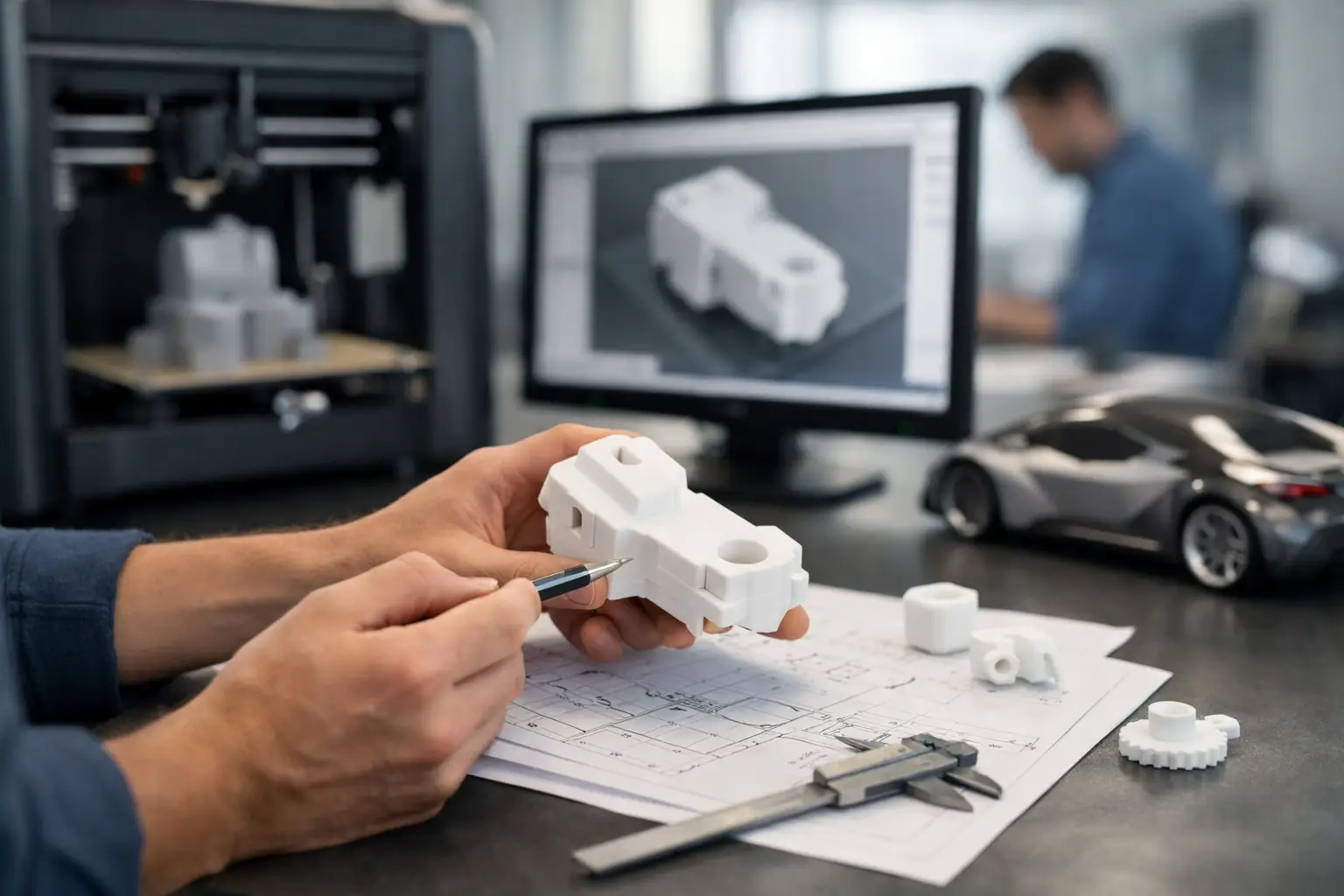
In practical terms, rapid prototyping usually starts with an idea, a sketch, or a rough product requirement. That idea is then developed into digital design files, followed by a prototype made through methods such as 3D printing, CNC machining, soft tooling, or simple fabrication. Once the prototype exists, it can be handled, tested, measured, and compared against the original intent.
This process matters because product ideas often behave differently in the real world than they do in your head. A handle may be uncomfortable. A housing may be too large. A mechanism may bind under pressure. Electronics may need more room than expected. Rapid prototyping helps expose those issues early, when changes are still manageable.
Why the Rapid Prototyping Process Matters
Most new product failures do not happen because the original idea had no value. They happen because the path from idea to execution was filled with assumptions that were never tested soon enough.
Rapid prototyping reduces that risk. It gives inventors and businesses a way to verify form, fit, and function before committing to expensive next steps. It can also help clarify whether a design is ready for patent-related support, investor presentations, user feedback, manufacturing review, or internal approval.
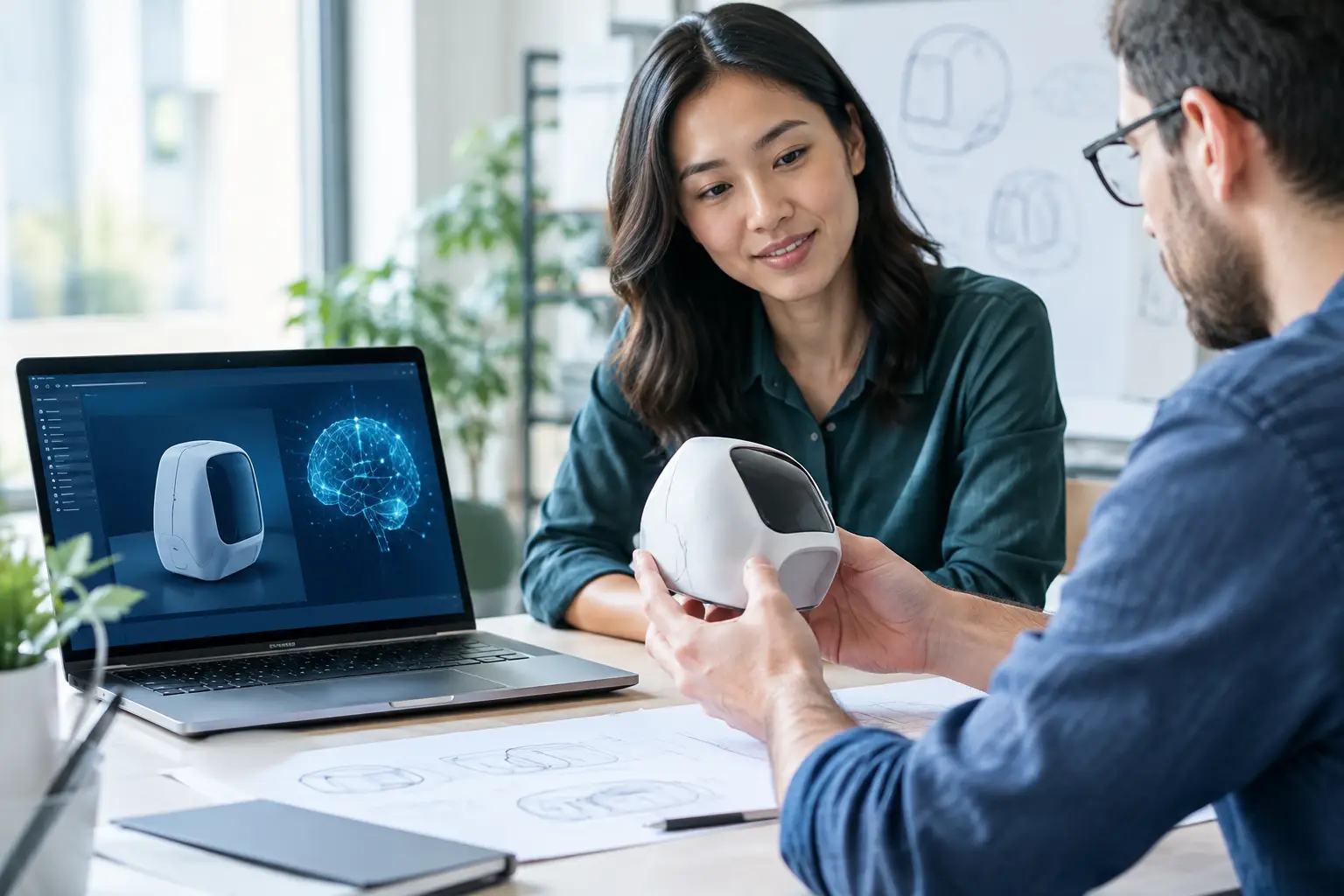
There is another benefit that often gets overlooked. A prototype changes conversations. When you show a real model instead of describing a concept, people respond more clearly. Engineers can evaluate feasibility. Potential customers can react to usability. Partners can understand the product faster. If you are trying to build momentum, a prototype is often the turning point.
The Main Stages of the Rapid Prototyping Process
While every product is different, the rapid prototyping process usually follows a clear sequence.
1. Defining the concept
This stage is about getting specific. What problem does the product solve? Who is it for? What does it need to do right now, and what can wait for a later version?
That last question matters. Early prototypes should be designed around the most important unknowns. If the key risk is ergonomics, the prototype should focus on size, grip, and shape. If the key risk is mechanism performance, the prototype should focus on movement and durability. Not every prototype needs to answer every question.
2. Creating the design model
Once the concept is defined, it moves into drawings or 3D CAD modeling. This is where broad ideas become dimensions, surfaces, part relationships, and assembly logic.
A good design model does more than look clean on a screen. It accounts for material choices, tolerances, manufacturing constraints, and how parts will actually go together. This is one reason professional engineering support can make such a difference early on. A prototype that is built only to look good may not teach you much. A prototype designed with real-world execution in mind will.
3. Building the prototype
The build stage uses the right prototyping method for the goal. If speed and visual review matter most, 3D printing is often a strong option. If precision, strength, or material behavior matters more, CNC machining or fabricated components may be better.
There is no single best method. It depends on what you are trying to learn. A cosmetic prototype for a pitch meeting is different from a functional proof-of-concept. A housing for a medical device may require different materials and tolerances than a consumer gadget. Choosing the wrong prototype method can lead to misleading results, so this stage needs judgment, not just equipment.
4. Testing and evaluation
Once the prototype is built, it is reviewed against the project goals. Does it function as expected? Is it easy to use? Are there weak points, interference issues, or design compromises that need attention?
Testing can be formal or informal depending on the project stage. Some teams run fit checks, stress tests, or basic usability sessions. Others start with internal handling and engineering review. The point is to learn quickly and honestly. A prototype is valuable when it reveals problems, not when it hides them.
5. Refinement and iteration
This is where rapid prototyping earns its name. Instead of waiting until the end of development to make changes, the design is revised in shorter cycles. Problems found in testing are corrected, and an updated version is built.
Sometimes one or two rounds are enough. Sometimes a complex product requires many iterations. That does not mean the process is failing. It means the process is doing its job. Reworking a prototype is far less costly than reworking production tooling or fixing a flawed product after launch.
What Rapid Prototyping Is Not
It helps to be clear about what rapid prototyping does not mean.
It does not always mean cheap. Fast prototypes can reduce total development cost, but the right prototype still requires design work, engineering judgment, and fabrication resources.
It does not always mean fully functional. Some prototypes are built to verify appearance, others to test movement, fit, internal packaging, or user interaction. A prototype may answer one critical question very well while leaving other questions for a later version.
And it does not replace manufacturing engineering. A product that works as a prototype may still need significant refinement before it is ready for mass production. Manufacturing methods, unit cost targets, regulatory requirements, and assembly efficiency all shape the final design.
Common Types of Rapid Prototypes
Not every prototype serves the same purpose, and understanding the difference can keep a project on track.
A proof-of-concept prototype is built to show that the core idea works. It may look rough, but it proves function. A visual prototype focuses more on appearance, size, and shape. A functional prototype gets closer to how the product will perform in real use. A pre-production prototype bridges the gap between development and manufacturing by using materials, tolerances, and processes that are closer to the final product.
For inventors and startups, the most important question is usually not, “What type sounds best?” It is, “What decision do I need this prototype to support?” That answer drives the right approach.
Where IP and Commercialization Fit In
For many entrepreneurs, prototyping is not just about engineering. It is also about ownership, timing, and market readiness.
A well-developed prototype can support patent-related strategy by helping define how an invention works and what makes it distinct. It can also strengthen presentations to investors, licensing prospects, or early customers because it gives the concept credibility. People tend to trust what they can see and evaluate.
That said, timing matters. In some cases, you want confidentiality and patent guidance in place before showing a prototype broadly. In others, early feedback is worth more than secrecy. This is one of those areas where the right path depends on the product, the market, and your commercialization goals.
What to Expect From a Professional Rapid Prototyping Partner
If you are hiring outside help, the best partner will do more than build a model from your sketch. They should help you define what the prototype is supposed to prove, recommend the right development path, and consider how the prototype fits into the larger product journey.
That larger view is where many projects either gain momentum or lose it. A prototype should not exist in isolation. It should support design refinement, engineering validation, manufacturing planning, and often intellectual property strategy as well. That is why many inventors and companies look for a team that can guide the project beyond the first model.
At Industry of Concepts, that practical, end-to-end mindset is central to the work. The objective is not just to make something quickly. It is to help clients move from uncertain ideas to tangible, testable products with a clear path forward.
Is Rapid Prototyping Right for Every Product?
In most cases, yes, but the form it takes can vary.
Simple consumer products may move through the rapid prototyping process quickly with a few CAD revisions and 3D printed models. More complex electro-mechanical products may require multiple subsystems, custom enclosures, internal packaging studies, and staged testing. Some products need appearance models early for market feedback. Others need functional rigs first because performance is the real risk.
The key is not rushing for the sake of rushing. It is moving fast enough to learn before uncertainty becomes expensive.
If you are sitting on an idea and wondering what to do next, a prototype is often the first real step that turns possibility into evidence. Once you can hold the concept, test it, and improve it, the road ahead usually gets much clearer.