A rough device that proves a mechanism can move is not necessarily ready for customer testing. Likewise, a polished-looking product concept may not prove that it can be engineered or manufactured. In the MVP versus prototype decision, getting the distinction right can save an inventor or startup months of work, unnecessary expense, and missed opportunities to protect valuable intellectual property.
For physical products, the right first build depends on the question you need answered. Are you trying to prove an idea can work? Show an investor what you mean? Test whether buyers will pay? Or prepare for production? Each goal calls for a different level of development.
MVP Versus Prototype: The Core Difference
A prototype is a model built to test, demonstrate, or refine a product concept. It may be as simple as a foam form, 3D-printed enclosure, breadboard circuit, or hand-built mechanical assembly. Its job is to answer technical and design questions before you commit to expensive development.
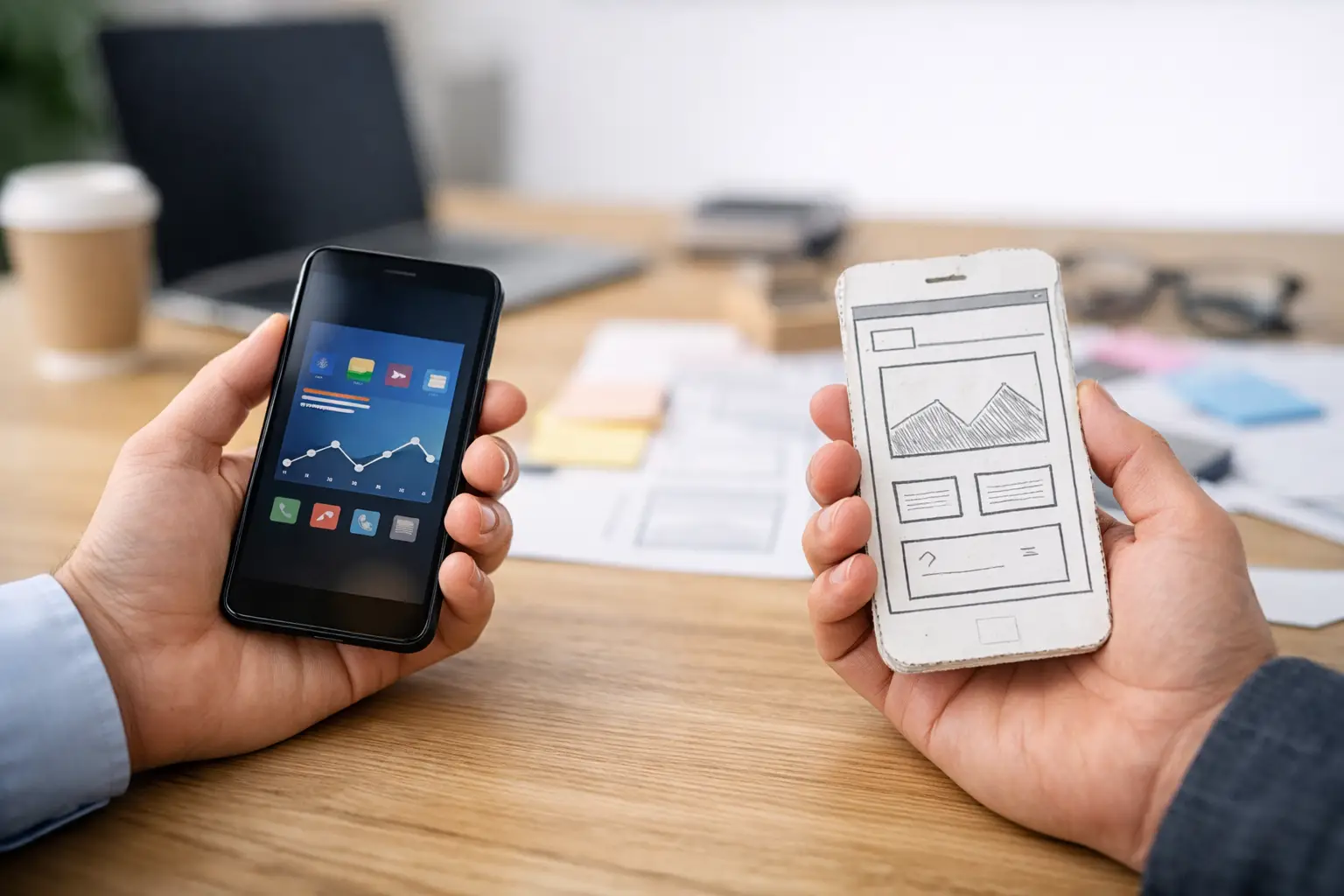
A minimum viable product, or MVP, is the simplest version of a product that delivers enough real value for actual users to try, evaluate, and potentially buy. It is not simply a less-finished prototype. An MVP is a market test. It must solve a meaningful customer problem well enough that feedback reflects real demand rather than polite interest.
That difference matters because prototypes are primarily learning tools for the development team, while MVPs are learning tools for the market. A prototype may fail gracefully in a workshop and still be useful because it reveals a design flaw. An MVP must perform reliably enough in a user’s hands to create a fair test of the product promise.
For an app, an MVP may be a limited software release. For a physical invention, it is often more demanding. It may require a functional product, clear instructions, safe operation, basic packaging, and a controlled pilot with early customers. That is why many physical-product founders should not rush from an idea directly to an MVP.
Start With the Risk You Need to Remove
The best next step is rarely determined by what looks most impressive. It is determined by the largest uncertainty standing between your idea and a commercial decision.
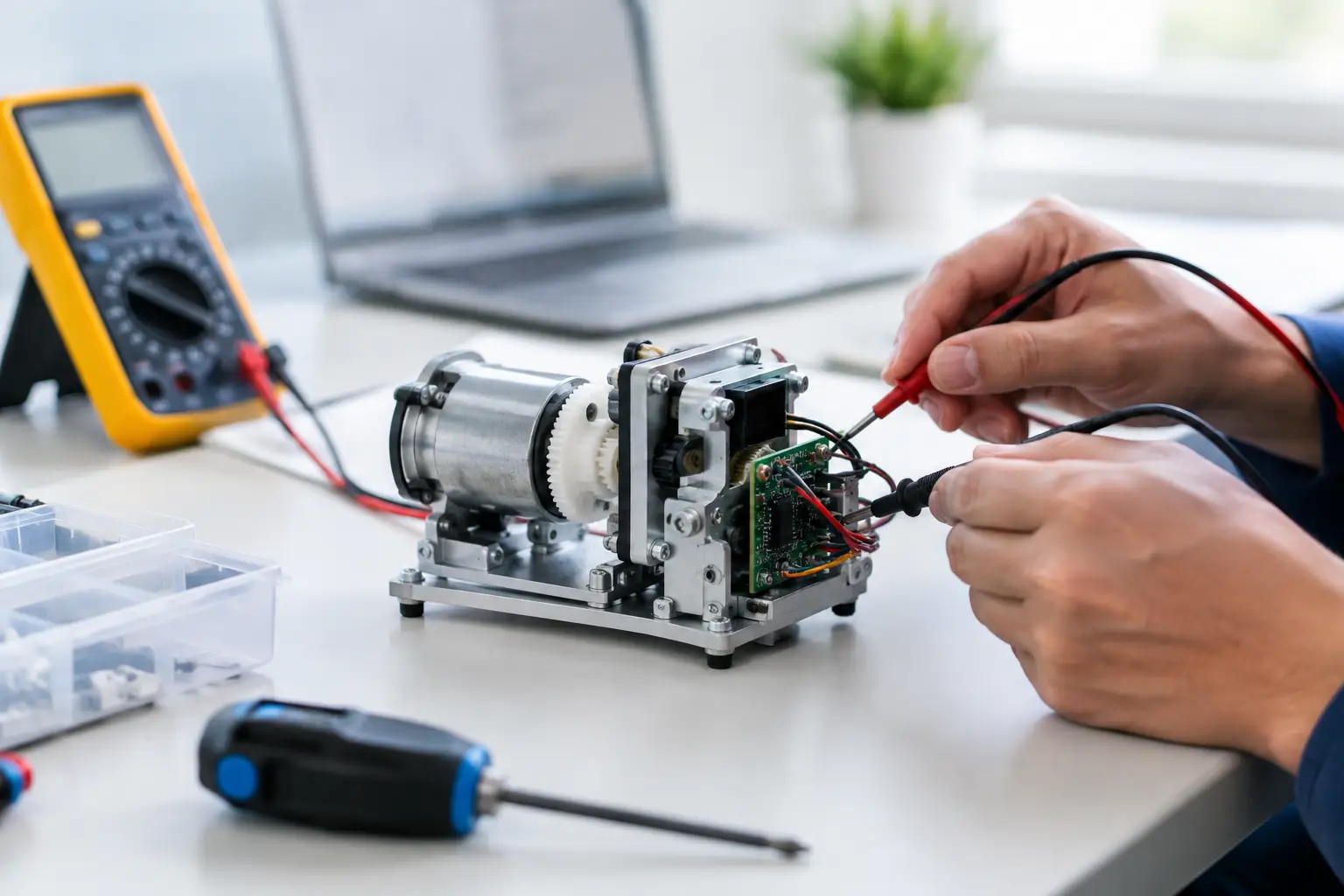
If the biggest question is technical feasibility, build a proof-of-concept prototype. A new medical-adjacent mechanism, smart home device, consumer tool, or electromechanical invention may need to prove motion, force, battery life, sensing, heat management, or material behavior. At this stage, appearance is secondary. The objective is evidence that the core function can work.
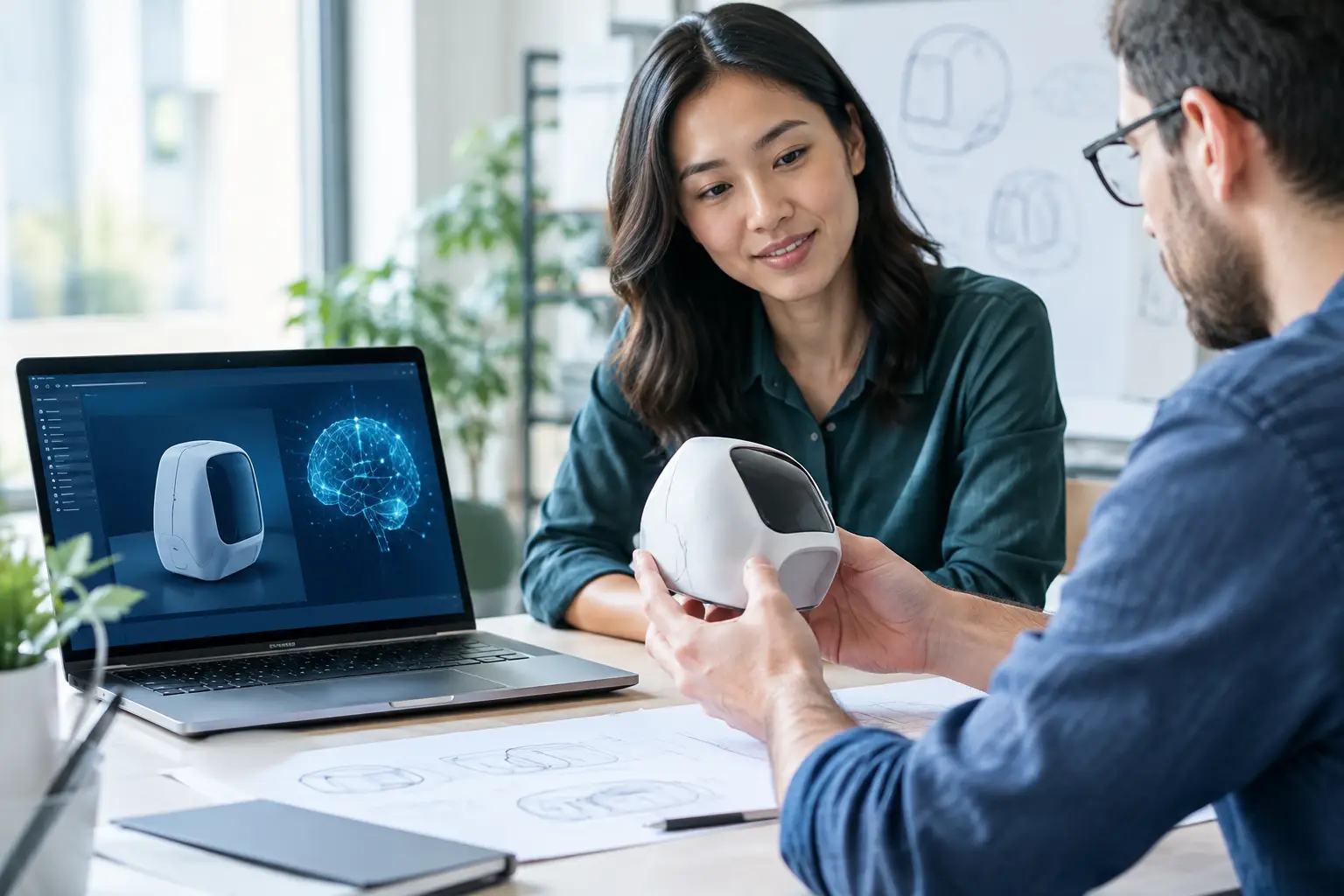
If the biggest question is usability, develop a higher-fidelity prototype. The user needs to hold it, operate it, and react to its shape, controls, size, and workflow. This is where industrial design and engineering must work together. A product can function perfectly and still fail because it is uncomfortable, confusing, too bulky, or difficult to maintain.
If the biggest question is market demand, an MVP may be appropriate. You need to put a credible version of the product in front of a defined group of target users and learn whether they use it, recommend it, and pay for it. The product does not need every feature on your future roadmap. It does need to deliver the central benefit consistently.
A useful way to think about the sequence is simple: prove it works, prove people can use it, then prove customers want it. Some products will move through those stages quickly. Others, especially products involving electronics, safety considerations, or custom manufacturing, require several prototype iterations before an MVP is responsible or useful.
What a Prototype Should Prove
A strong prototype is built around a specific test, not a vague desire to “make it real.” Before development begins, define what success looks like. For example, the prototype might need to lift a certain weight, dispense a repeatable amount, survive a drop, fit within a target space, communicate wirelessly, or complete a task in fewer steps than an existing solution.
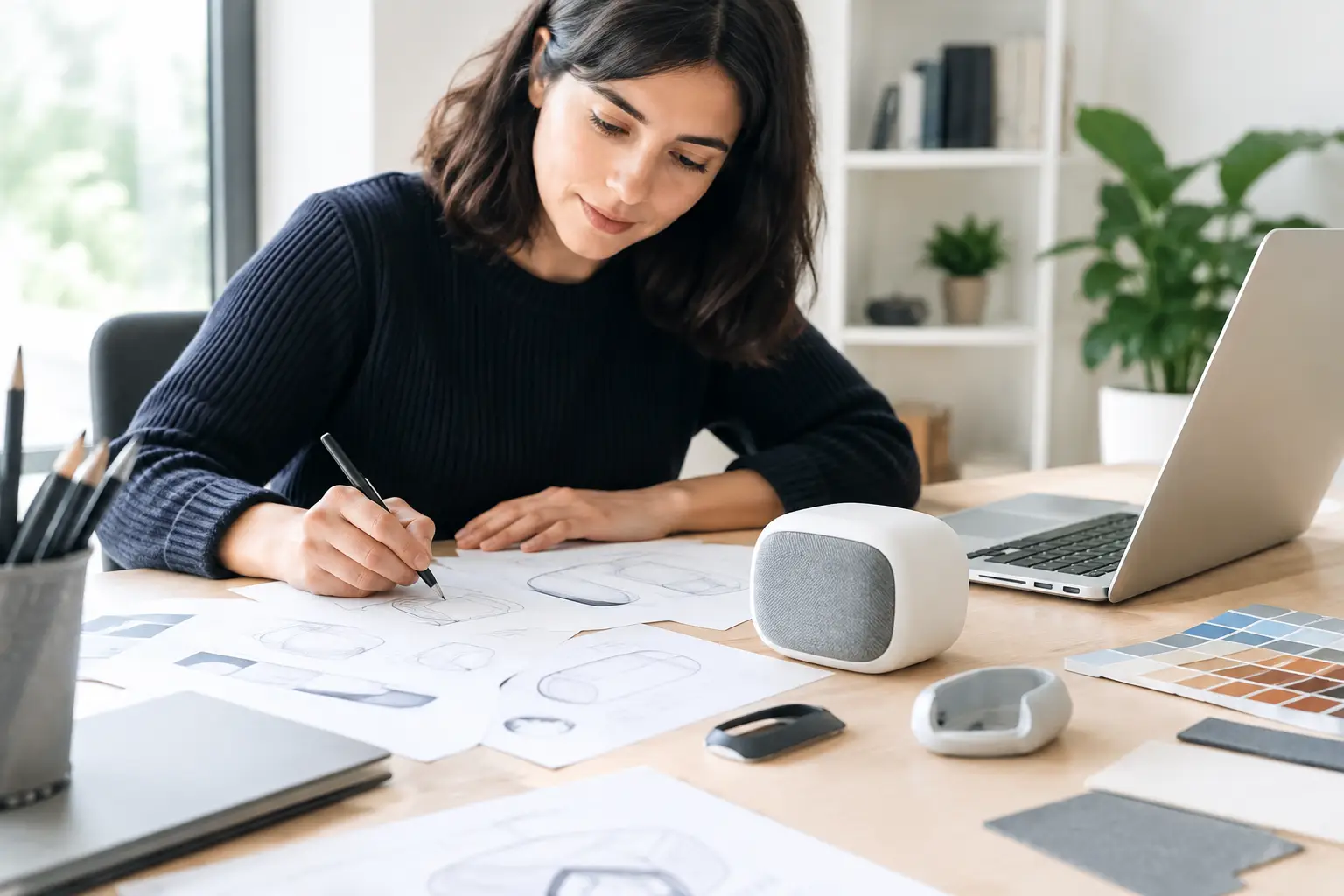
Different prototypes can answer different questions. A visual prototype helps you evaluate the product’s size, ergonomics, and appearance. A proof-of-concept prototype validates the core mechanism or technology. A functional prototype brings multiple systems together so you can test performance under more realistic conditions. A pre-production prototype gets closer to the materials, assembly methods, and tolerances required for manufacturing.
Trying to make one early prototype do all of these jobs often wastes money. A beautiful model is not proof that a product can be manufactured. A working test rig is not proof that users will understand the product. By setting the purpose first, you can invest in the right materials, components, engineering time, and level of finish.
This discipline also helps with patent-oriented development. Clear records of the product’s functional features, technical alternatives, and iterative testing can support more informed conversations about what may be worth protecting. A prototype does not automatically create patent rights, and public disclosure can affect filing options. Treat IP strategy as part of development, not as a task to postpone until after the product is publicly shown.
When an MVP Is the Better Move
An MVP becomes valuable when your primary risk has shifted from “Can we build it?” to “Will the right people adopt it?” It is a deliberate, limited commercial experiment, not a shortcut around engineering.
Imagine an inventor developing a portable tool for maintenance technicians. An early prototype may prove the locking mechanism and battery-powered feature. Once those functions are dependable, the MVP might be a small pilot run with only the core operating modes, a durable basic housing, and a narrow customer group such as commercial HVAC technicians. Their field feedback can reveal whether the tool truly saves time, whether the price makes sense, and which feature is essential versus merely interesting.
The MVP should be limited on purpose. Broad distribution too early can create warranty issues, customer disappointment, and a poor first impression that is difficult to reverse. Instead, define the user group, the use case, the success metrics, and the support plan. You may measure repeat use, task completion, returns, referrals, preorders, or willingness to pay. The right metrics depend on the product, but they must show behavior, not just enthusiasm.
For some inventions, selling an MVP is not the right first market test. A product with regulatory requirements, high safety risk, or expensive tooling may benefit from structured user interviews, demonstrations, letters of intent, preorder validation, or pilot partnerships before commercial release. The point is to gather credible evidence without taking risks that the current stage of the product cannot support.
The Cost Trap: Polishing Too Soon or Testing Too Late
Inventors commonly make one of two expensive mistakes. The first is overbuilding a prototype before the core function has been proven. The second is treating a fragile prototype as if it were ready for paying customers.
Overbuilding happens when teams spend heavily on cosmetic finishes, custom parts, or advanced features while basic technical questions remain unanswered. It feels like progress because the product looks more complete. But if the mechanism later changes, much of that investment may need to be repeated.
Testing too late creates a different problem. A founder may spend months developing every feature they imagine customers want, only to learn that the market cares most about one simpler benefit. An MVP protects against this by putting a focused solution in front of real users before the product becomes too expensive to change.
The practical answer is staged development. Build only enough to reduce the next critical risk. Use early prototypes to make engineering decisions, then use a functional MVP to make business decisions. This approach creates a stronger foundation for budgeting, patent planning, investor discussions, and manufacturing quotes.
A Practical Path From Idea to Market Test
For most physical products, development follows a progression rather than a single dramatic build. Start by defining the customer problem, product requirements, competitive alternatives, and the feature that makes the concept valuable. Then create concept sketches and computer models that make the idea testable before material is purchased.
Next, build a proof-of-concept prototype around the hardest technical challenge. If it succeeds, refine the form, user interaction, electronics, and mechanical systems through functional prototype iterations. Each round should have a written objective, a test plan, and a clear decision: advance, revise, simplify, or stop.
Once the core function and user experience are credible, prepare an MVP designed for a focused field test. This phase may involve engineering for repeatability, sourcing practical components, improving durability, creating basic documentation, and establishing quality checks. It is not full-scale manufacturing, but it should be reliable enough to protect your reputation and generate meaningful customer feedback.
Industry of Concepts helps clients make these decisions with design, prototyping, engineering, and patent-oriented product development under one roof. The goal is not to build more than you need. It is to build the right evidence at the right time, so your idea can move forward with confidence.
Choose the Build That Creates Your Next Decision
There is no universal rule that says every product needs an MVP first or that every invention needs a highly refined prototype. A simple consumer accessory might reach a market test quickly. A connected device with custom mechanics may need extensive prototype validation before users ever see it. The stakes, technical unknowns, target customer, and path to manufacturing all matter.
Before spending on your next build, ask one direct question: what fact must we know before we can responsibly invest more? If the answer is about performance, build a prototype designed to test performance. If the answer is about customer behavior, create an MVP that delivers the core value in the real world. That clarity turns development from a costly guess into a practical path toward a product people can use, buy, and trust.