A prototype can turn a promising sketch into something you can test, demonstrate, improve, and discuss with confidence. But prototype patentability requirements are often misunderstood. The USPTO does not generally require a finished, working prototype before you file a patent application. What matters is whether your invention meets the legal standards for patent protection and whether your application describes it clearly enough for a skilled person to make and use it.
That distinction can save inventors time, money, and potentially valuable rights. A polished prototype may help prove that your concept is commercially realistic, but a patent is not awarded simply because you built something first. The strongest strategy connects product development, technical documentation, and filing decisions before your idea is shown publicly.
What Makes an Invention Patentable?
For most product inventors, utility patent protection is the central question. A utility patent may cover how a product works, how its parts interact, a manufacturing process, or a meaningful improvement to an existing product. To qualify, the invention generally needs to be useful, new, and non-obvious.
Useful means the invention has a specific, credible purpose. A consumer device that solves a real handling problem, a mechanical assembly that reduces waste, or an electronic product that performs a defined function can meet this threshold. An idea that is purely speculative, without a workable use, may not.
New means the claimed invention cannot already be disclosed in earlier patents, published applications, products, articles, videos, trade materials, or other public information. This is why a patent search matters. Your product can be new to your market and still face prior art that limits what can be claimed.
Non-obvious is often the harder standard. Even if no single earlier reference shows your exact invention, an examiner may decide that combining known features would have been an expected step for someone skilled in the field. The details of the problem solved, the technical result achieved, and the specific arrangement of components can matter greatly here.
The invention must also fall within patentable subject matter. Machines, manufactured articles, processes, and compositions of matter may qualify. Abstract ideas, natural phenomena, and laws of nature do not become patentable merely because they are described in a presentation or incorporated into a basic product format.
Where a Prototype Fits Into Patentability Requirements
A prototype is not a substitute for patentability. It is evidence, a development tool, and often a practical way to discover what the invention really is.
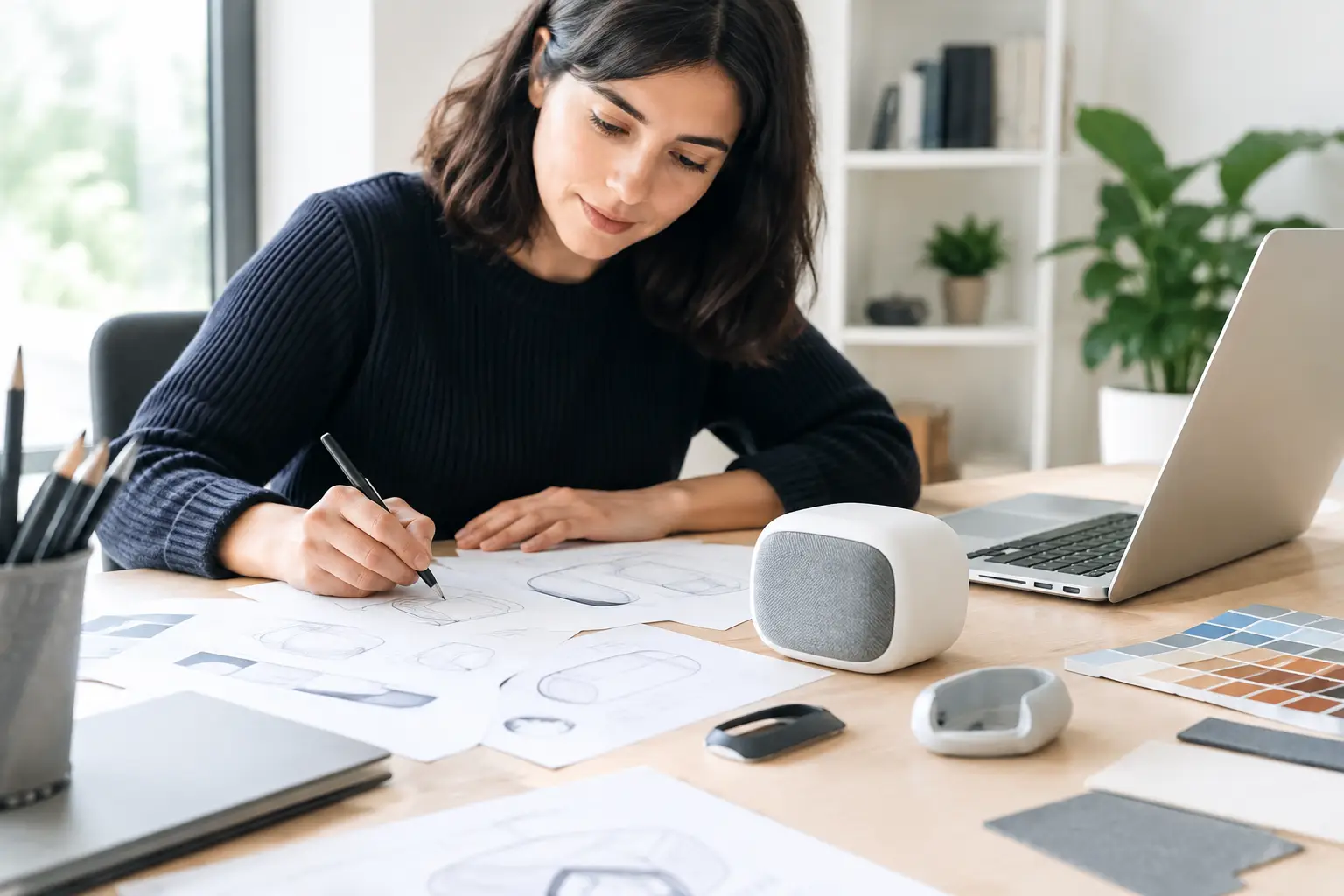
Early concepts frequently change once they are modeled, assembled, or tested. A hinge that looked simple in a sketch may bind under load. A sensor may need to move to avoid interference. A housing may require a different geometry to be manufacturable. These discoveries can lead to the features that deserve the most attention in a patent application.
For this reason, prototype patentability requirements should be viewed as a development question as much as a legal one: do you understand the invention well enough to describe its structure, operation, alternatives, and intended use? A rough proof-of-concept may be enough for some inventions. For others, especially electro-mechanical products or systems with several interacting parts, more engineering may be needed before the filing strategy is clear.
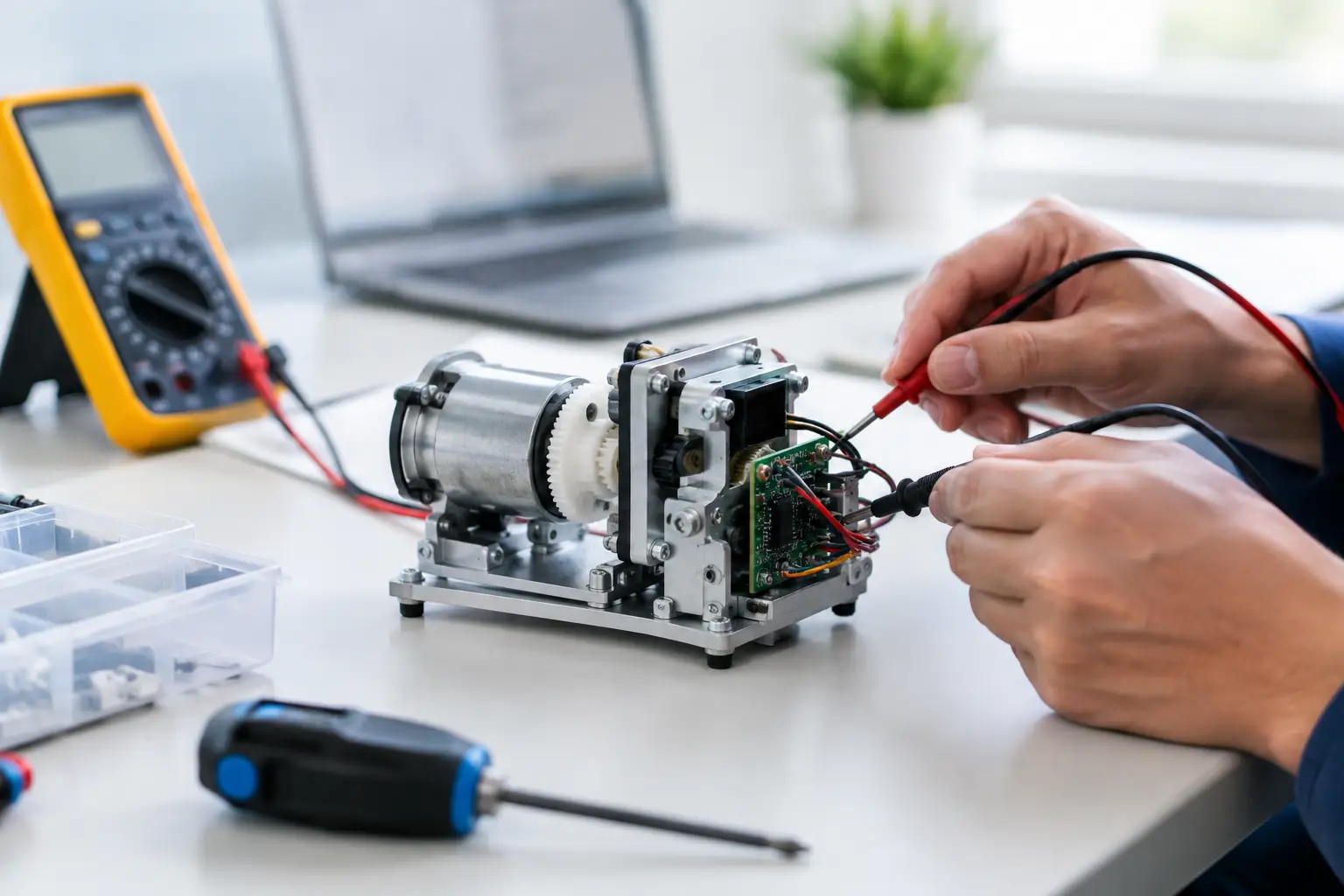
A functional prototype can help establish that the product operates as intended. It can also provide useful drawings, measurements, test observations, and technical language for an application. Still, a prototype does not guarantee that the invention is novel or non-obvious, and it does not automatically prove that the written disclosure is complete.
A Working Prototype Is Not Always Required
Many inventors delay filing because they believe they must first build a market-ready sample. That can be an expensive mistake if it leads to public disclosure before a filing date is secured.
A patent application generally needs enough detail to enable a person skilled in the relevant field to make and use the invention without undue experimentation. In plain terms, you need more than a broad goal. You need a real technical explanation of how the product can be built and how it works.
For a simple mechanical device, dimensioned drawings, material descriptions, component relationships, and alternative configurations may provide a strong foundation without a fully finished prototype. For software-enabled hardware, medical-adjacent products, chemical formulations, or complex systems, the needed level of detail can be higher. It depends on the technology and how predictable the field is.
Do not confuse a provisional application with a placeholder for an unfinished idea. A provisional filing can be a valuable first step, but it should contain meaningful technical disclosure. Features added later may not receive the benefit of the earlier filing date if they were not adequately supported in the original application.
Protect the Idea Before You Demonstrate It
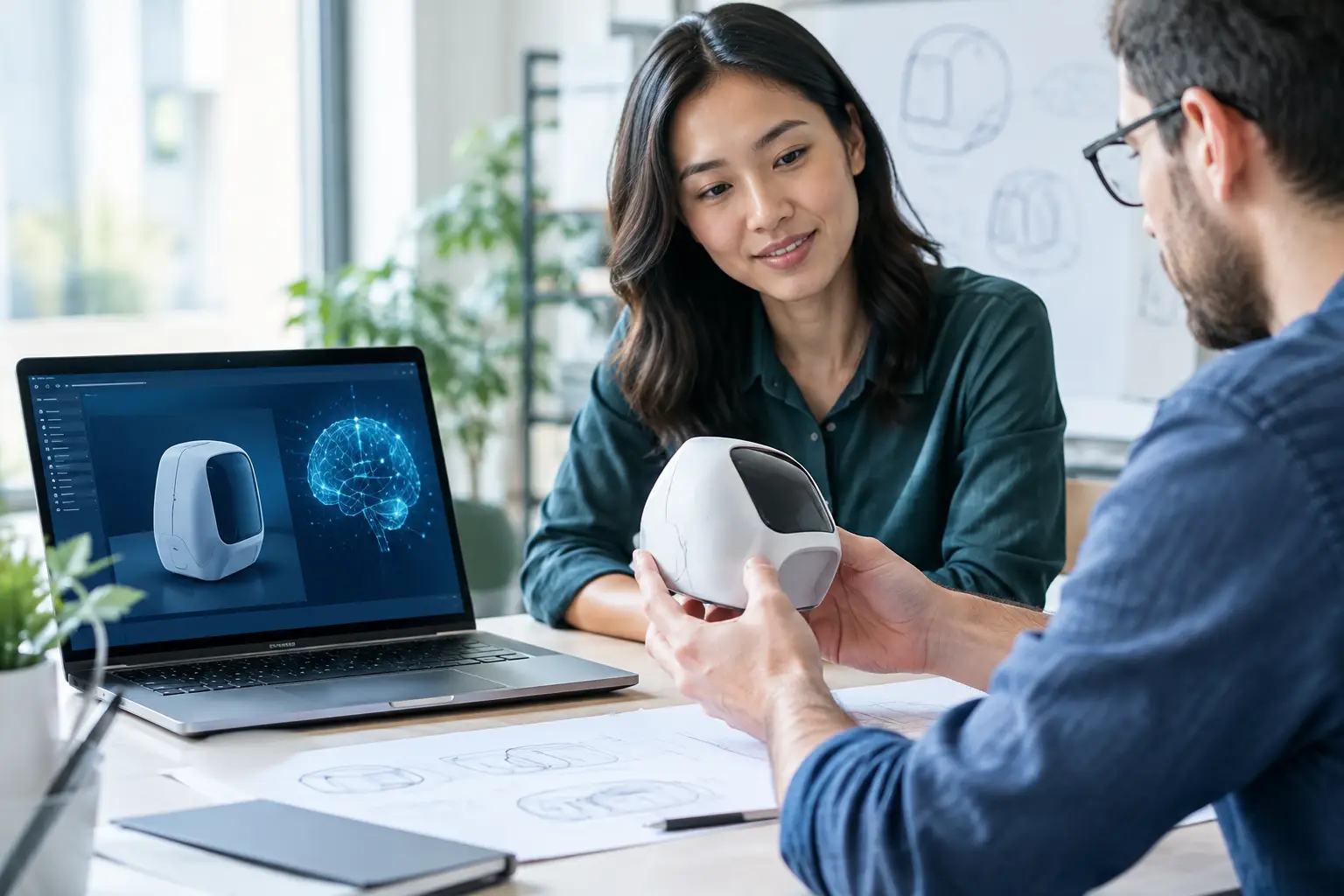
Inventors often need to show a prototype to potential buyers, investors, manufacturers, or partners. That is understandable. A physical model makes a conversation real. Yet public demonstrations, online posts, crowdfunding campaigns, sales offers, and unprotected disclosures can create serious patent risks.
The United States has limited grace-period rules for certain inventor disclosures, but relying on them is risky. International rights may be lost much sooner in many countries. The more reliable approach is to evaluate patentability and file before public exposure whenever possible.
A confidential conversation can also require care. A non-disclosure agreement may help define obligations between parties, but it does not replace a patent filing, and not every party will agree to sign one. Keep clear records of what you disclose, to whom, and when. Share only the information needed for the purpose of the discussion.
Utility Patents and Design Patents Need Different Prototypes
The right protection depends on what gives your product value. A utility patent focuses on functional features. A design patent focuses on the product’s ornamental visual appearance. Some products may support both, but the filings serve different purposes.
If the value lies in a new locking mechanism, fluid path, control method, or component arrangement, the functional details should drive the utility patent strategy. Your prototype should help validate those operating features.
If customers will recognize the product by a distinctive exterior shape, surface pattern, configuration, or visual impression, design protection may be worth considering. In that case, clean visual development is especially important because design patent drawings define the scope of protection. Small visual changes can have significant consequences.
Build Documentation While You Build the Product
Good invention records make development more efficient and help your patent professional understand the product quickly. As your concept progresses, preserve dated sketches, CAD files, test results, engineering notes, photographs, revisions, and decisions about why certain features changed.
The goal is not to create paperwork for its own sake. The goal is to capture the technical story of the invention before details are forgotten. When an engineer, patent agent, or patent attorney reviews the project, that record can reveal the features that are technically meaningful rather than merely cosmetic.
Be especially careful with improvements. The first version of a prototype may solve the initial problem, while the second or third version introduces the feature that makes the product more reliable, less costly, or easier to manufacture. Those later improvements may support additional patent filings if they are genuinely new and properly documented.
A Practical Path From Concept to Filing
Start with a focused prior-art review before committing heavily to tooling or product launch. This does not mean searching only for products that look similar. Look for patents and publications addressing the same function, mechanism, user problem, and component arrangement.
Next, develop the concept to the level needed to explain it accurately. That may involve industrial design, CAD modeling, proof-of-concept prototyping, engineering analysis, or user testing. The goal is to identify the invention’s essential features and separate them from optional design choices.
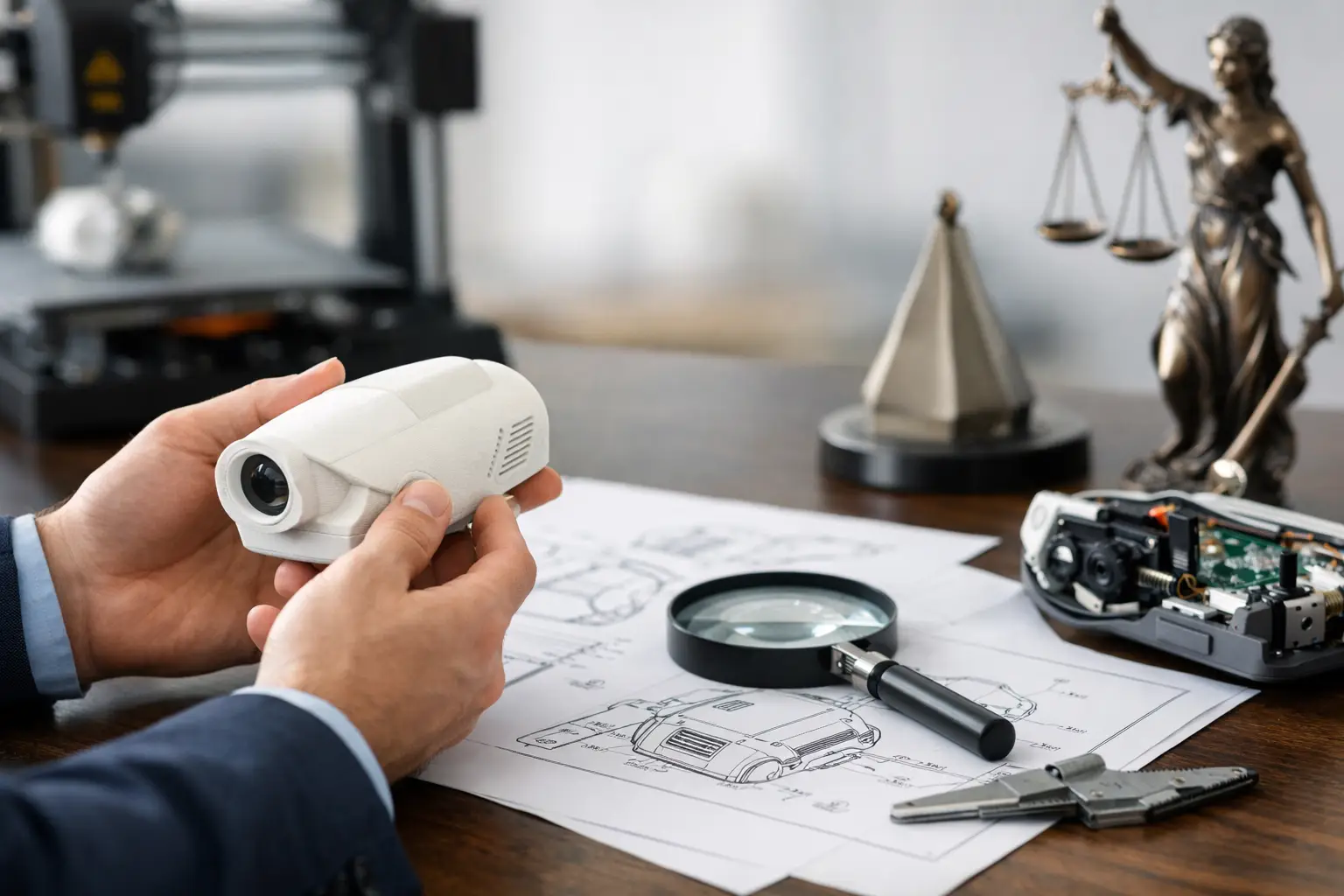
Then coordinate with a qualified patent attorney or patent agent on the filing approach. They can assess the legal landscape, prepare claims, and advise on provisional, non-provisional, utility, and design filing decisions. Engineers and product developers provide the technical depth; patent professionals provide the legal strategy. Strong projects need both.
Industry of Concepts helps inventors move through this stage with practical engineering, prototyping, and patent-oriented development support. Instead of treating the prototype as a final presentation piece, treat it as a decision-making tool that helps you refine the product and protect what makes it valuable.
Your idea does not need to be perfect before you take action. It does need to be developed carefully enough that the innovation is real, explainable, and ready for the right protection strategy. Build with purpose, document the details, and seek patent guidance before your prototype becomes public.