A great idea can lose ground before a patent application is ever filed. The top invention disclosure mistakes usually happen at the beginning, when an inventor is moving quickly, explaining the concept from memory, or assuming a sketch says more than it does. A strong disclosure gives your patent professional and development team the technical facts they need to evaluate, protect, and build the invention.
An invention disclosure is not just paperwork. It is the working record of what your product does, how it does it, what makes it different, and which alternatives may achieve the same result. Treat it as the first serious technical document for your idea. The more accurately you capture the concept now, the fewer expensive gaps you may need to address later.
1. Describing the Benefit Instead of the Solution
Many disclosures lead with a promising outcome: it saves time, reduces waste, makes a task safer, or improves convenience. Those benefits matter commercially, but they do not explain the invention itself.
A useful disclosure states the mechanism behind the result. If a container keeps food cold longer, explain the layers, materials, air gaps, seals, geometry, or active components that create that performance. If an app-controlled device improves accuracy, identify the sensors, control logic, physical movement, user inputs, and feedback process.
Patent protection is built around what has been created, not simply the problem the product solves. Start with the problem, then document the specific structure, steps, relationships, and functions that solve it. This also gives an engineering team a clearer path toward a proof-of-concept prototype.
2. Leaving Out Alternative Designs
Inventors often document the first version they imagine and stop there. That can create a narrow record. A competitor may be able to pursue a different material, shape, fastening method, power source, or sequence of steps while preserving the core advantage of the product.
Your disclosure should capture reasonable variations. Consider what happens if the device is made smaller, automated, battery-powered, reusable, or manufactured using a different process. Ask whether a component could move, rotate, flex, magnetically connect, clip, or screw into place. If software is involved, consider manual and automated versions of the workflow.
This does not mean inventing hypothetical features with no basis. It means documenting the variations you can realistically envision from the core concept. A prototype can be especially valuable here because physical development exposes multiple ways a product can be configured and assembled.
3. Using Vague Drawings and Incomplete Notes
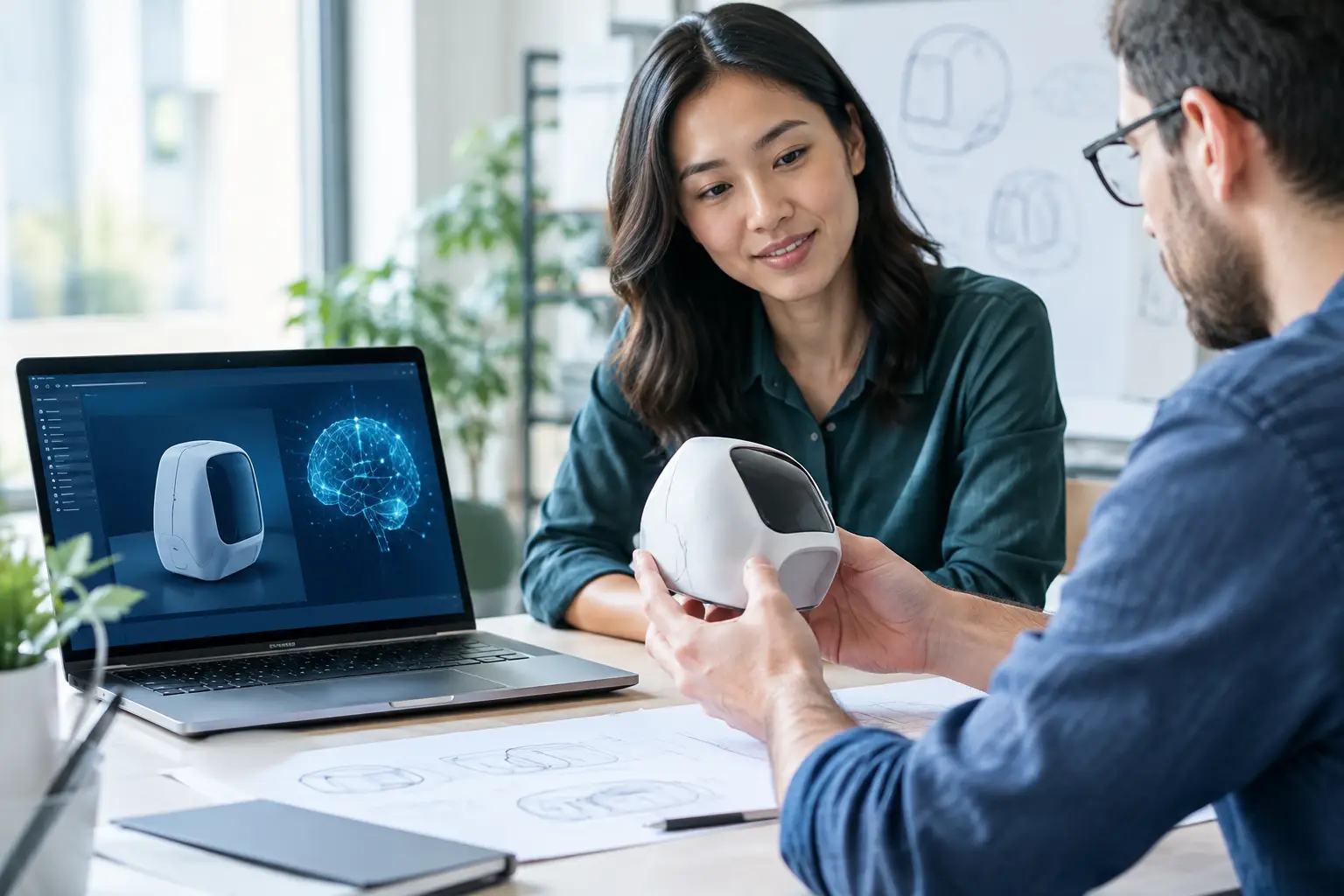
A napkin sketch can be the beginning of an invention. It should not be the end of the disclosure. Hand drawings are useful, but labels, views, dimensions, materials, and operational notes turn an idea into information another professional can understand.
Show the invention from more than one angle when possible. Label major components and explain how they connect. Describe what happens before, during, and after use. For a method or process, lay out the sequence of steps and identify any conditions that affect performance.
Do not worry that your early drawings look imperfect. The goal is clarity, not presentation quality. Still, if the concept depends on precise geometry, mechanisms, electrical connections, or a user interaction, professional computer modeling and engineering documentation can reduce ambiguity quickly.
4. Failing to Explain What Is Actually New
Saying that no one has ever made your product is not enough. Most inventions improve, rearrange, combine, or adapt things that already exist. A complete disclosure acknowledges the starting point and identifies the meaningful difference.
Describe the closest products, devices, or methods you know about. Then explain where they fall short and exactly how your approach changes the result. Perhaps existing products require two hands, cannot be cleaned easily, fail under heat, use too many parts, or provide no feedback to the user. Be specific.
This comparison helps shape both product strategy and patent strategy. Sometimes the innovation lies in a single mechanism. In other cases, it is the particular combination of familiar components. Knowing the difference early helps prevent unnecessary development work and supports more focused conversations with patent counsel.
5. Disclosing Publicly Before Making a Filing Plan
Public disclosure is one of the most costly invention disclosure mistakes because timing can affect patent rights. Posting product details online, launching a crowdfunding campaign, exhibiting at a trade show, publishing a video, or selling the product may create serious consequences. The rules can vary by country, and international rights can be especially vulnerable to early public exposure.
Do not assume that a casual conversation is harmless either. Discussions with potential manufacturers, investors, collaborators, and contractors should be handled carefully. Confidentiality agreements can help in appropriate situations, but they are not a substitute for an informed filing strategy.
Before sharing meaningful technical details outside your trusted development and legal team, speak with a qualified patent attorney or agent about your specific circumstances. Patent-related guidance is not one-size-fits-all. The right timing depends on where you intend to seek protection, how developed the invention is, and what you need to do next to validate the market.
6. Waiting for a Perfect Prototype
Some inventors delay disclosure until they have a polished, production-ready product. Others submit an idea so early that key technical questions have not been considered. The right point is usually between those extremes.
You do not need final tooling, packaging, or a finished manufacturing plan before documenting an invention. But you should be able to explain how it is intended to work. If critical elements are still uncertain, identify them honestly and record the options being considered.
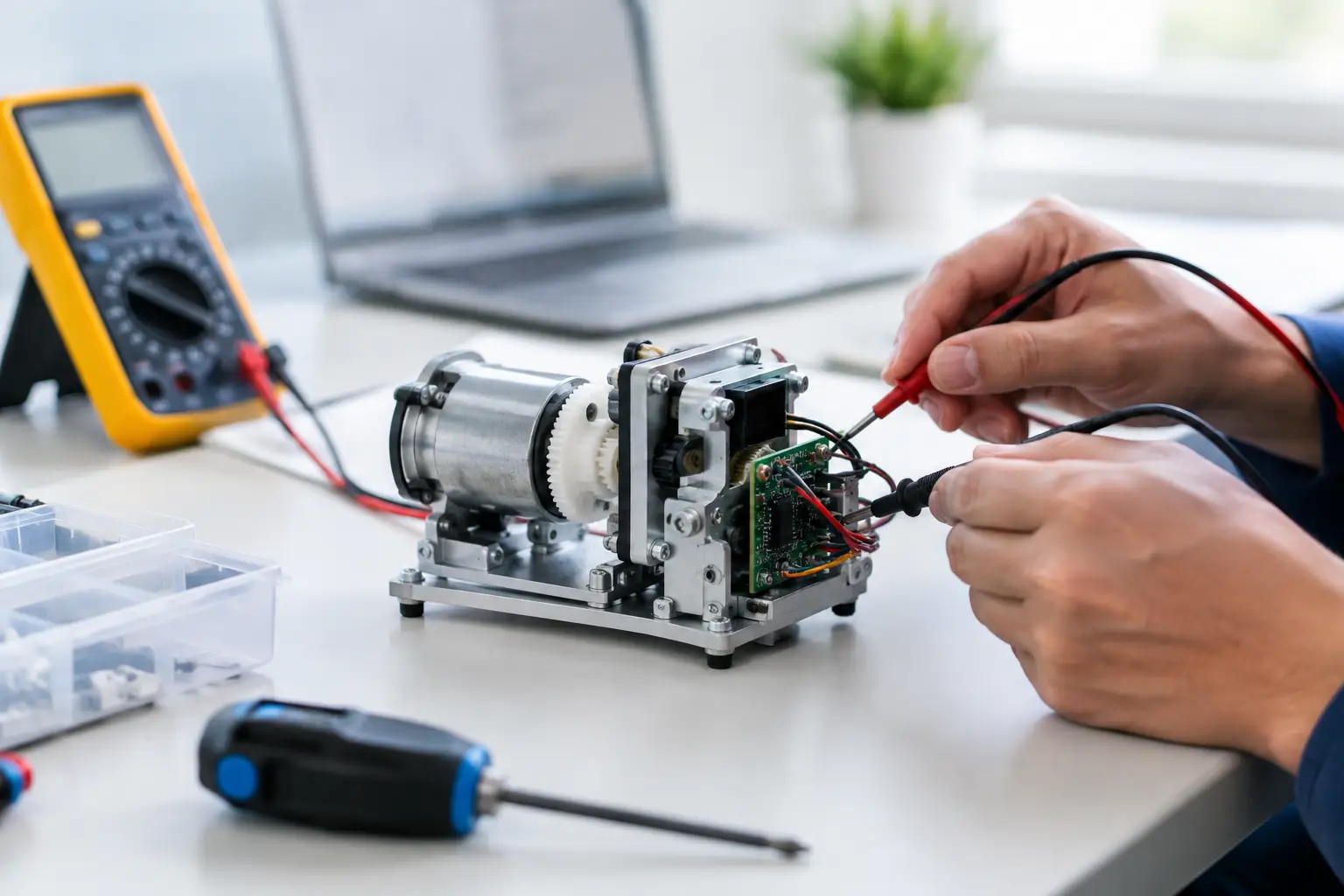
A functional prototype can strengthen the development process by testing assumptions that a drawing cannot test. It may reveal that a mechanism binds, a material overheats, an electronic component needs more space, or a user cannot operate the product as expected. Those discoveries are not failures. They are valuable design information that can lead to a better disclosure and a more defensible product.
7. Treating the Disclosure as a One-Time Event
An invention changes as it becomes real. The first mechanism may be replaced. A new feature may solve a problem no one anticipated. A manufacturing constraint may lead to a more efficient configuration. If these developments are not recorded, the original disclosure can become disconnected from the product you are actually building.
Maintain a dated development record. Save sketches, design revisions, prototype photographs, test observations, engineering files, and notes from important decisions. Record who contributed to the inventive aspects of the work. This is particularly important for startups and teams, where ownership and inventor identification should be addressed carefully rather than assumed.
Regular updates also help you decide whether a new concept deserves separate attention. Not every design change is patentable, but some improvements may be significant. A development partner that understands engineering and patent-oriented prototype work can help surface those distinctions before they become missed opportunities.
What a Strong Disclosure Should Give Your Team
A good invention disclosure should allow a qualified professional to understand the problem, the proposed solution, the components or steps involved, and the ways the invention may vary. It should include drawings or diagrams, known alternatives, practical use cases, and enough technical detail to guide further design work.
It should also separate facts from assumptions. If you have tested a feature, document the result. If you believe a feature will work but have not built it yet, say so. That distinction builds credibility and helps direct prototype resources toward the questions that matter most.
At Industry of Concepts, product development begins by turning uncertain ideas into practical technical direction. Whether you arrive with rough sketches or an early working model, clear documentation creates a stronger foundation for concept development, engineering, prototyping, and patent support.
Your idea deserves more than a quick description and a hopeful filing. Put the details on paper, test the assumptions that matter, and keep improving the record as the product takes shape. That discipline can protect more than an invention – it can protect your ability to bring it to market.