A new product idea can feel urgent the moment it is conceived. But filing too soon, before you can clearly explain how the product works, may produce weak protection. Filing too late can be far more expensive. The real question is not simply when should inventors file patents. It is whether the invention is defined well enough to support a meaningful application before a public disclosure, competitor, or business deal puts your rights at risk.
For most inventors, the right timing sits between the first sketch and the finished production-ready product. You do not need to wait until every material, color, and manufacturing detail is final. You do need more than a general idea. A smart filing strategy protects the invention while leaving room to refine the product through engineering, prototyping, and market testing.
When Should Inventors File Patents?
Inventors should generally consider filing once they can describe the invention in enough technical detail that a skilled person could understand how to make and use it. That usually means you have identified the core problem, the functional solution, the major components, and the way those components work together.
A patent application is not meant to protect a wish such as, “I want an app that makes this easier,” or “I want a device that solves this household problem.” It needs to describe the actual solution. For a physical product, that may include drawings, component relationships, operating steps, dimensions or ranges where relevant, and alternative versions of the concept.
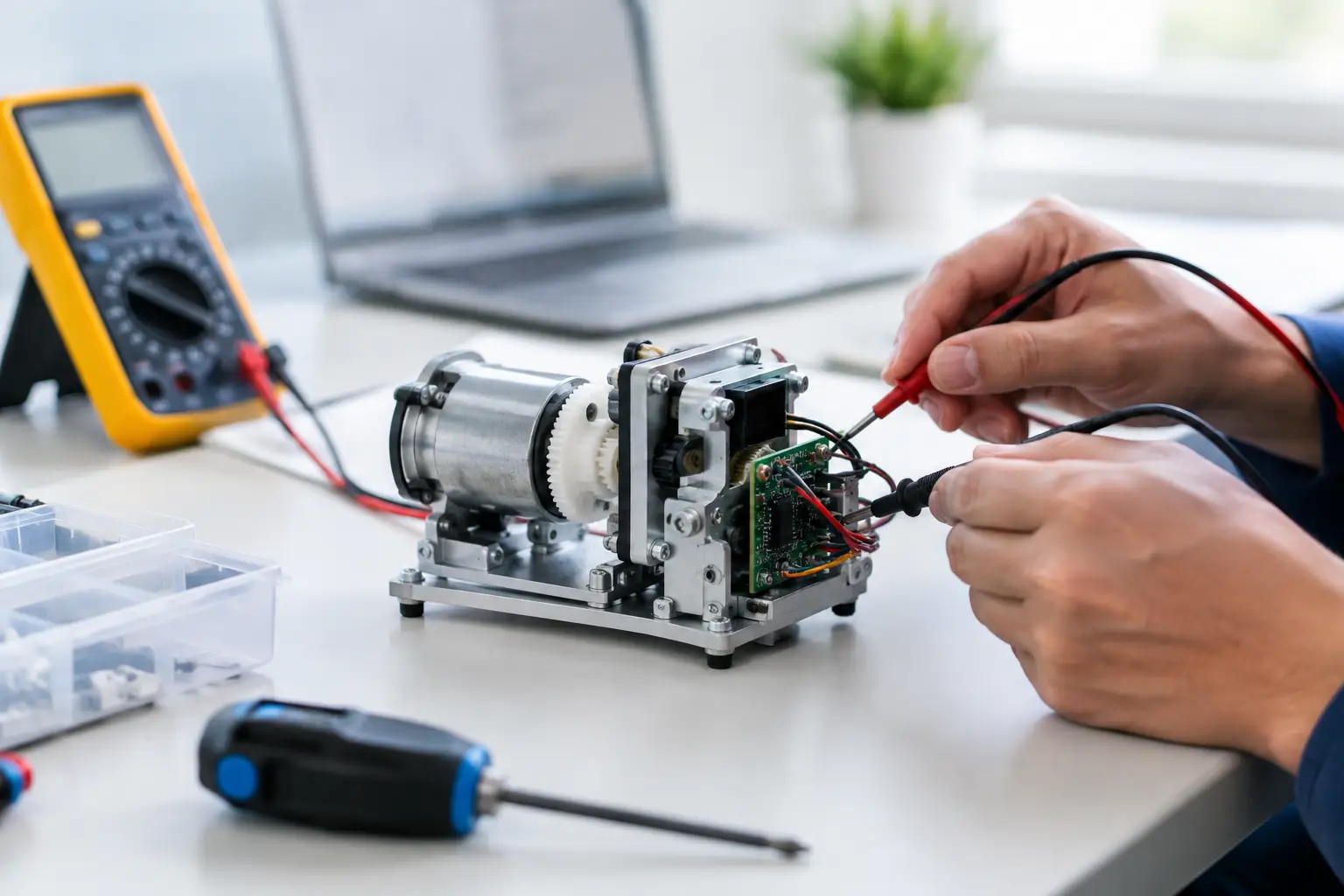
This is why an early proof-of-concept prototype can be so valuable. It forces important questions into the open: Does the mechanism actually operate? Is the electrical system feasible? Will the product need a different geometry, material, or control method? The answers can make the difference between a broad, useful filing and a document that protects only a narrow version of an unfinished idea.
At the same time, do not confuse a patent filing with a final product specification. Waiting for a factory-perfect prototype can be a mistake. If the core inventive concept is clear and documented, a filing may be appropriate while design, engineering, and manufacturing details continue to develop.
File Before You Publicly Disclose the Invention
The clearest timing rule is simple: file before public disclosure whenever possible.
Public disclosure can include posting product images online, launching a crowdfunding campaign, presenting at a trade show, selling the product, publishing a video, or describing the invention in a public interview. A conversation with a potential investor or manufacturer can also create risk if it is not handled carefully and confidentially.
In the United States, an inventor may have a limited one-year grace period after certain disclosures made by the inventor. Relying on that window is risky. It can complicate the patent process, create arguments over what was disclosed and when, and damage the ability to seek patent rights in many foreign markets where public disclosure can immediately eliminate patentability.
The practical approach is to treat any public reveal as a filing deadline. If a product demonstration, launch announcement, sales meeting, or crowdfunding page is approaching, put the patent discussion at the front of the project plan. Protect first, promote second.
Do Not File So Early That the Application Misses the Invention
There is a second risk that first-time inventors often overlook: filing a thin application before the invention has been developed enough. A filing date is valuable only for what the application adequately describes.
Suppose you have a new consumer device with a novel locking feature. If the first application describes only one rough version of the lock, then later engineering reveals three stronger ways to create that function, the original filing may not cover the later improvements. You may need to file additional applications to protect the new technical details.
That is not necessarily a failure. Product development is iterative, and strong products often improve after the first filing. The goal is to file when the core concept is real, then continue documenting and protecting meaningful improvements as they are created.
A development team can help bridge this gap. Industrial design, CAD modeling, engineering analysis, and functional prototyping make it easier to identify what is truly inventive versus what is still an unresolved assumption. That clarity supports better discussions with patent counsel and a more defensible filing strategy.
A useful readiness test
Before filing, you should be able to answer several practical questions in plain language. What problem does the product solve? What makes the solution different from existing products? What are the essential parts or steps? How do they interact? What alternatives could achieve the same result?
If the answers exist only as a broad vision, continue concept development. If you can explain the answers through sketches, CAD, prototype testing, or a detailed technical description, you may be ready to move forward.
Start With a Patentability Review, Not Assumptions
Many inventors assume that because they have not seen their product on store shelves, the idea must be patentable. Patentability is judged against prior art, which can include patents, published applications, technical papers, product catalogs, online videos, and products that were available before your filing date.
A professional patentability search and legal review can help determine whether similar concepts already exist and where your invention may be distinct. This does not guarantee that a patent will issue, but it helps you make informed decisions before spending heavily on development, tooling, or marketing.
The search can also improve the product itself. If existing patents cover one approach, your engineering team may be able to develop a different mechanism, structure, or workflow that creates a stronger technical advantage. Sometimes the best result is not abandoning an idea. It is redesigning it around a more protectable solution.
Patentability is also different from freedom to operate. Your invention might be new enough to patent but still risk infringing another party’s active patent if you make or sell it. Founders planning a serious launch should understand both questions early enough to adjust course.
Provisional or Nonprovisional: Choose Based on Your Stage
For many early-stage product developers, a provisional patent application can be a practical first step. It can establish an early filing date and allow the use of “patent pending” for one year, while the product is refined and market opportunities are evaluated.
A provisional application is not examined by the USPTO and does not become a patent by itself. To keep the benefit of its filing date, a corresponding nonprovisional application generally must be filed within 12 months. That deadline deserves careful planning, especially if the product has changed substantially during the year.
A nonprovisional application is the formal application that proceeds through examination. It may make sense to file one immediately when the invention is mature, the business is ready to pursue protection, and the patent strategy is well defined.
Neither route is automatically better. A provisional can create breathing room, but it should still be prepared with care. A rushed provisional with vague descriptions and weak drawings may not support the protection you expect later. A nonprovisional can be more complete from the outset, but it requires a larger upfront commitment.
Build a Development Record That Supports Your Rights
From the first serious concept session, maintain organized records. Save dated sketches, CAD revisions, prototype photographs, test results, design decisions, and notes about technical challenges you solved. These records can help your team explain the invention accurately and track improvements that may deserve their own protection.
Be equally careful with ownership. If a contractor, engineer, designer, or co-founder contributes to the inventive concept, the company should have clear written agreements addressing confidentiality and assignment of intellectual property. Paying someone for development work does not automatically settle ownership questions.
This matters most when a product gains traction. Investors, licensing partners, acquirers, and manufacturers want to know who owns the IP, what has been filed, and whether the product development process was properly documented. Clean records make those conversations easier and more credible.
Make Patent Timing Part of the Product Plan
Patent strategy works best when it is connected to product development rather than treated as a last-minute legal task. Set decision points around concept selection, proof-of-concept testing, public demonstrations, investor outreach, and manufacturing quotes. At each point, ask whether new technical information has emerged and whether it should be protected before it is shared.
For a simple product, this process may move quickly from concept to filing. For electro-mechanical devices, connected products, or systems with multiple technical features, it may involve an initial filing followed by additional filings as the engineering matures. The right plan depends on the invention, the market, the budget, and the level of competitive risk.
Industry of Concepts helps inventors turn early ideas into engineered prototypes that can support more informed patent-related decisions. The objective is not to slow momentum with paperwork. It is to give your product a technical foundation before the market sees what you have built.
Your idea does not need to be finished before you protect it. It needs to be developed enough that its value can be clearly explained, documented, and defended. Move with purpose: validate the concept, protect the core invention before disclosure, and keep building the product your customers will want to buy.