A prototype is not just something to show investors or place on a table at a trade show. It is where an idea meets the real world. When comparing the best product prototype companies, inventors and founders should look beyond a polished model and ask a more valuable question: can this team help turn my concept into a product that works, can be protected, and can realistically be manufactured?
That distinction matters. A visually impressive mockup may communicate an idea, but it cannot prove that a mechanism will operate reliably, that electronics will fit inside the housing, or that the product can be produced at a reasonable cost. The right prototype partner helps reduce those unknowns before they become expensive problems.
What Separates the Best Product Prototype Companies?
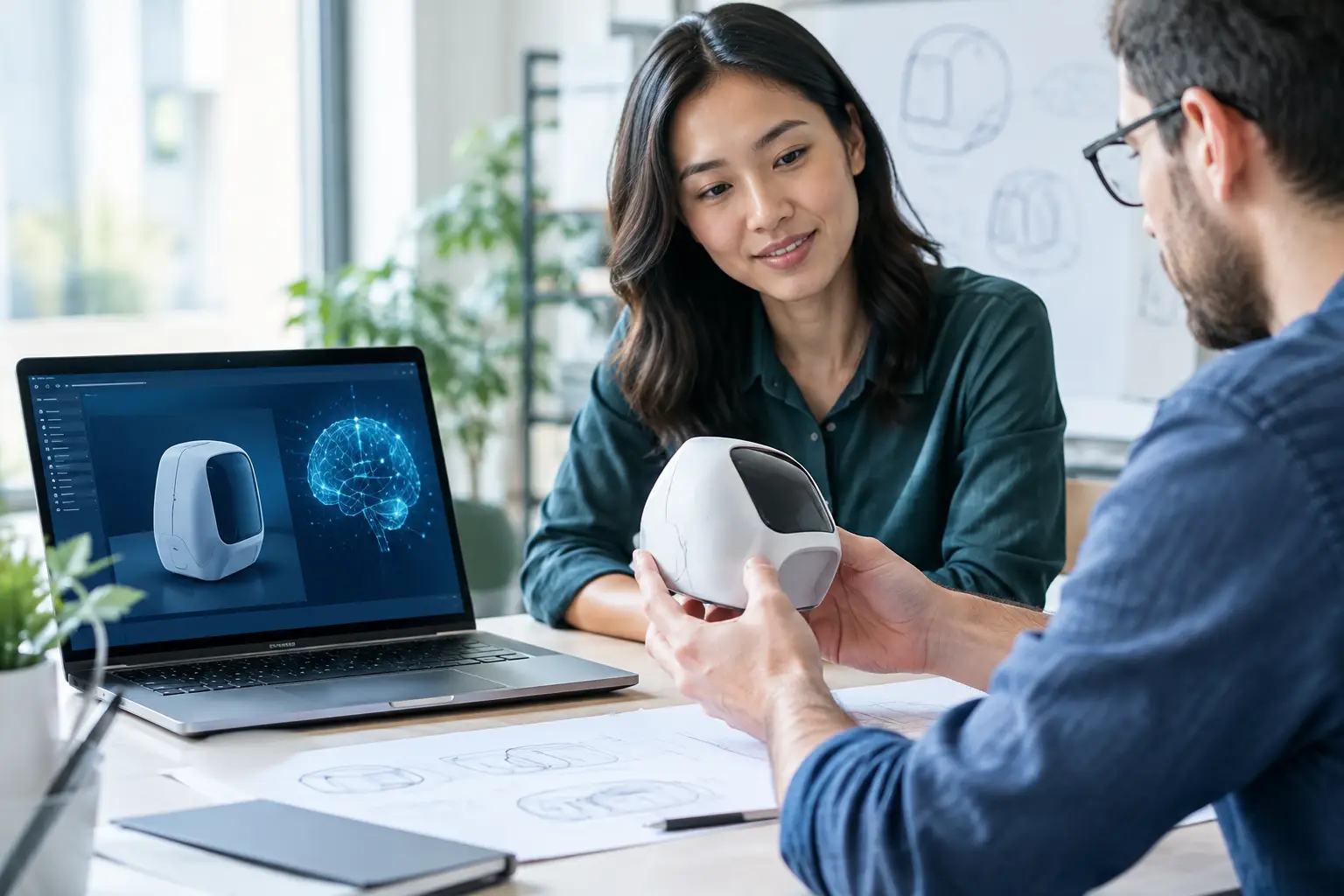
The strongest product prototype companies do more than offer 3D printing or machine shop access. They bring industrial design, engineering judgment, practical testing, and manufacturing awareness into the same development process. Their job is to challenge assumptions early, solve technical problems, and keep the project moving toward a clear commercial goal.
For an early-stage inventor, this can mean translating a sketch or verbal concept into drawings, a computer model, and a proof-of-concept prototype. For an established business, it may mean developing a new mechanism, improving an existing product, or building a working sample for customer testing and manufacturing quotes.
A capable firm also understands that not every project needs the same level of development. A simple consumer product may need ergonomic design and material selection before prototyping. A connected device may require mechanical, electrical, firmware, and enclosure development. Medical, industrial, and safety-related products can demand additional documentation, testing, and compliance planning. The best partner scopes the work around what the product actually needs rather than selling a one-size-fits-all package.
Start With the Type of Prototype You Need
Many projects lose time because the client and development team use the word “prototype” differently. Before choosing a company, define what the prototype must accomplish.
A concept model is primarily visual. It helps communicate size, appearance, user interaction, and overall form. It can be useful for early feedback, presentations, and design decisions, but it may not function.
A proof-of-concept prototype is built to demonstrate that a core feature, mechanism, or technology can work. It may look rough, use off-the-shelf components, and have little resemblance to a final product. That is acceptable when the main question is technical feasibility.
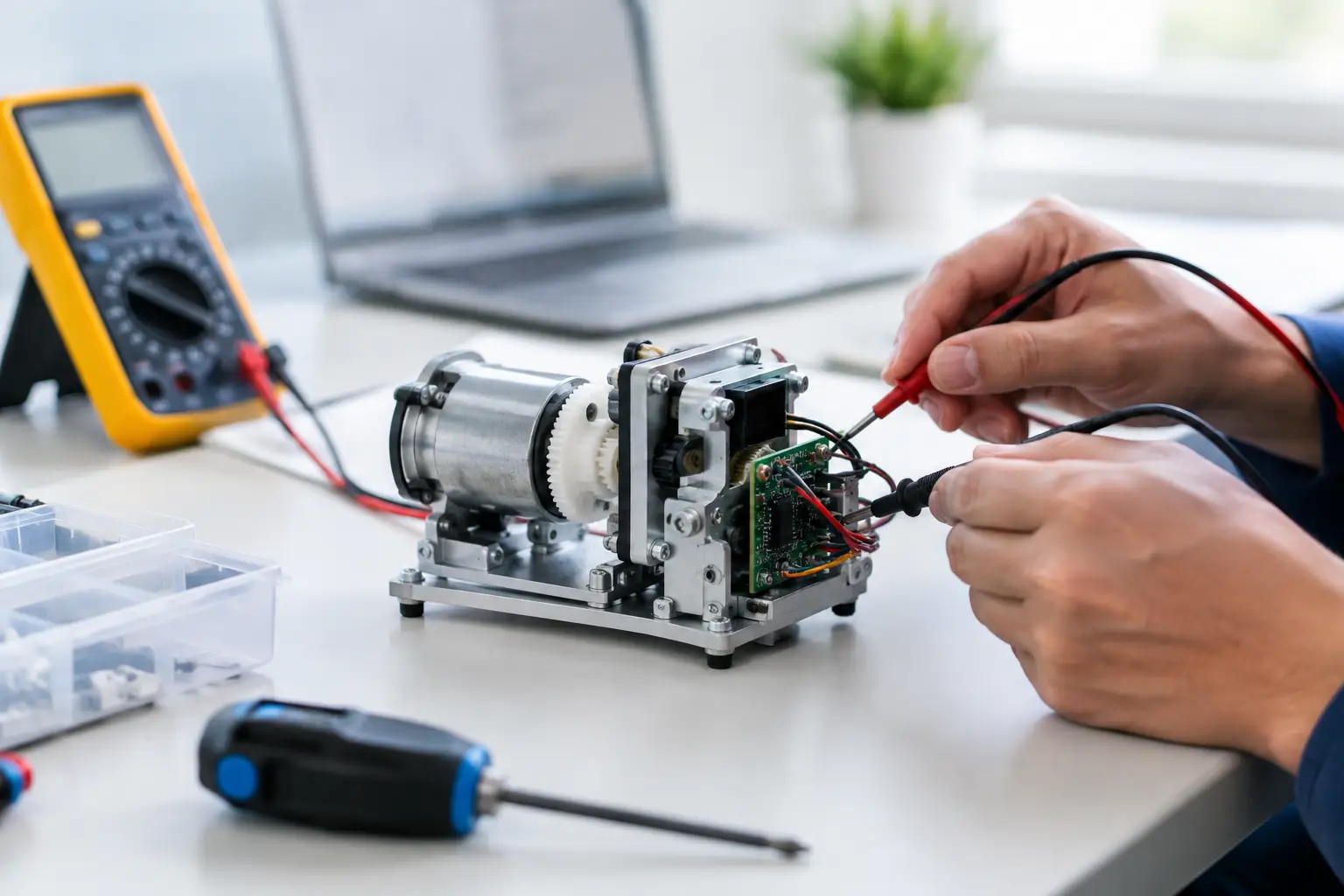
A functional prototype combines form and operation more closely. It is used to test moving parts, electronics, usability, durability, and system integration. This stage is often where hidden engineering issues surface.
A pre-production prototype is closer to what a factory will make. It helps validate materials, assembly methods, tolerances, tooling assumptions, and supplier requirements. It is not always necessary at the beginning, but it becomes critical before committing to production tooling or inventory.
A reliable product development company will explain which stage makes sense for your current objectives. If your goal is a patent filing, investor discussion, user test, licensing presentation, or manufacturing launch, the prototype strategy should change accordingly.
Evaluate Engineering Depth, Not Just Fabrication Equipment
A company can own excellent printers, CNC machines, or laser cutters and still be the wrong choice for a complex invention. Equipment matters, but engineering capability matters more.
Ask who will solve the difficult questions. Who determines whether the mechanism can withstand repeated use? Who considers material shrinkage, fastener placement, battery access, heat, water exposure, center of gravity, tolerances, and assembly sequence? Who identifies components that are hard to source or too expensive for production?
The answers should point to experienced designers and engineers, not simply a fabrication process. In-house computer-aided design, mechanical engineering, electro-mechanical development, and manufacturing engineering are especially valuable when a product includes moving parts, electronics, sensors, motors, or a custom enclosure.
Good engineering also protects the budget. It is less expensive to discover that a part cannot be assembled during digital modeling than after multiple prototype builds. A team that designs with manufacturing in mind can prevent attractive concepts from becoming impractical products.
Look for a Clear Process and Real Communication
Product development has uncertainty. No honest company can promise that every idea will move from a rough sketch to a final prototype without revisions. What they should provide is a disciplined process for managing those revisions.
At the start, the team should work with you to clarify the product’s purpose, user, key features, operating environment, target price, and development priorities. From there, the process should typically move through concept development, design refinement, engineering, computer modeling, prototype fabrication, testing, and next-step recommendations.
You should know what is being delivered at each phase. That may include concept sketches, CAD files, renderings, bill-of-material estimates, engineering drawings, prototype components, test results, or manufacturing documentation. Clear milestones make it easier to approve work, control spending, and avoid misunderstandings.
Communication is equally important. You do not need to become an engineer to lead your product project, but you should be able to understand the decisions being made. The right company explains trade-offs in plain language. For example, a lower-cost material may be more brittle, a smaller enclosure may create heat issues, or a feature may require a more expensive manufacturing process. Those are business decisions as much as technical ones.
Make Intellectual Property Part of the Conversation
Inventors are right to be careful with valuable ideas. However, confidentiality alone is not a complete IP strategy. A prototype development partner should recognize the difference between building something that looks convincing and documenting an invention in a way that supports patent-related work.
Before sharing detailed information, ask about confidentiality practices and whether the company is prepared to work under a nondisclosure agreement. Then ask a more practical question: how will the design work be documented? Organized drawings, development records, feature descriptions, and functional prototypes can all help make later conversations with a patent professional more productive.
It is also useful to choose a firm that understands patent-oriented prototype development. This does not mean the engineering firm replaces a patent attorney or agent. Patent legal advice requires the appropriate professional. But an engineering team that can help define functions, mechanisms, technical differentiators, and alternative configurations gives the IP process stronger technical grounding.
Be cautious of firms that promise patent protection as an automatic outcome of making a prototype. A prototype can support a filing strategy, but patentability depends on the invention, prior art, claims, timing, and legal guidance.
Compare Quotes by Scope, Not by the Lowest Number
Prototype costs can vary widely, and a low initial quote is not always a low total project cost. One company may quote only the fabrication of a model. Another may include design research, CAD development, engineering review, revisions, assembly, and testing. Those are not equivalent proposals.
When reviewing estimates, make sure you understand the scope of work, number of design iterations, prototype materials, outsourced components, testing assumptions, ownership of files, and likely work needed after the first build. Ask what is excluded. A clear proposal should make it possible to compare companies without guessing.
Affordability is important, particularly for independent inventors and startups. But affordable development means focusing resources on the decisions that reduce risk. It may be smarter to invest in a functional proof of concept before paying for premium finishes, custom tooling, or a large prototype run.
Assess Manufacturing Readiness Early
A prototype that works once is a milestone. A product that can be assembled consistently, sourced reliably, and sold at a workable margin is the larger goal.
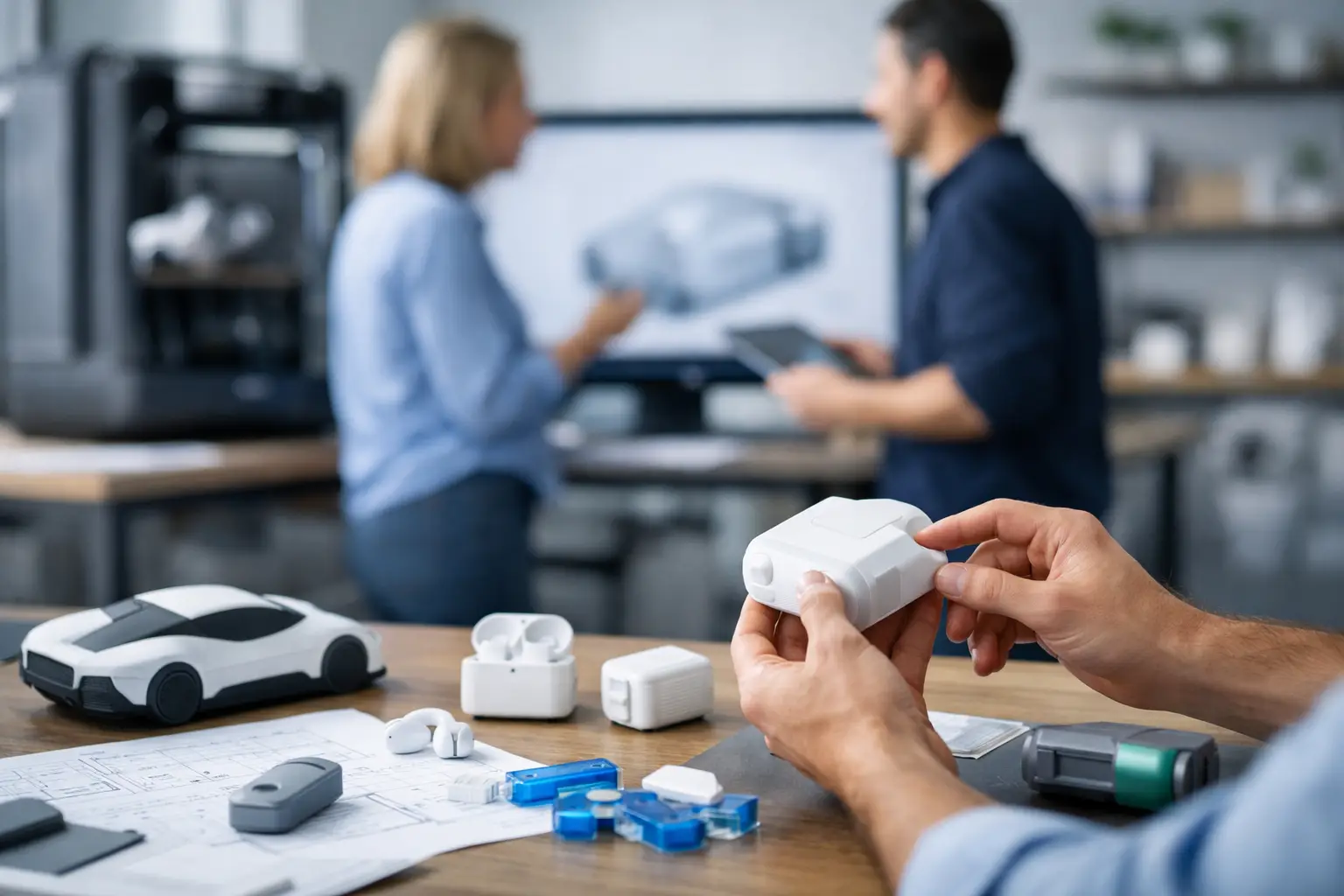
This is why the best prototype partners consider manufacturing earlier than many clients expect. They look at part count, material choices, assembly time, tolerances, supplier availability, packaging constraints, and expected production volume. A process appropriate for ten prototypes may be completely wrong for ten thousand units.
Ask how the company approaches the transition from prototype to production. Can it prepare manufacturing drawings and specifications? Does it understand tooling, injection molding, sheet metal, machining, electronics assembly, and quality considerations? Can it help you make informed decisions before you approach a manufacturer?
You may not need every manufacturing service on day one. Still, choosing a team with this perspective prevents the common mistake of developing a prototype that has to be redesigned from the ground up before it can be produced.
Choose a Partner That Treats Your Idea Like a Business Asset
The best working relationship is not based on a company saying yes to every request. It is based on thoughtful guidance. A dependable development partner will identify risks, recommend priorities, and tell you when a feature does not justify its cost or complexity.
At Industry of Concepts, that practical approach brings concept development, industrial design, engineering, rapid prototyping, manufacturing preparation, and patent-oriented support into one coordinated path. The objective is not to make an idea look finished too soon. It is to build the evidence, function, and technical foundation needed to move forward with confidence.
Your first prototype does not need to answer every question. It needs to answer the right next question. Choose a company that understands that discipline, and your idea has a far better chance of becoming a product worth protecting, producing, and bringing to market.