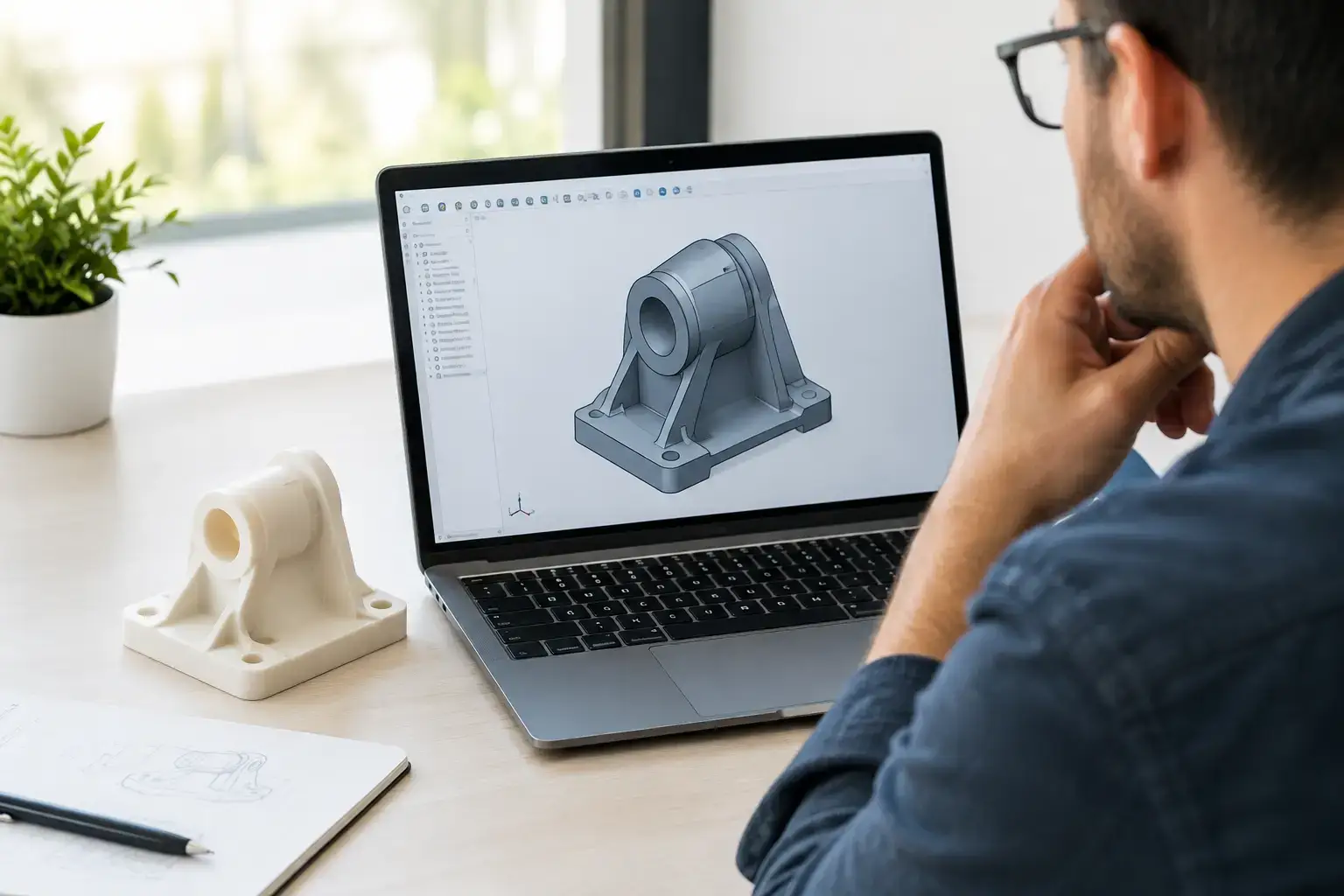
A product can begin as a sketch on a napkin and quickly involve an industrial designer, CAD modeler, engineer, prototype shop, software developer, and overseas manufacturer. That is why the question, who owns product designs, should be answered before the work starts – not after the prototype is finished or a supplier has received your files.
For inventors and product founders, ownership is not a technical detail. It determines who can file for protection, make changes, license the product, switch manufacturers, raise investment, or sell the business. A great idea has less commercial value if someone else controls the drawings, CAD files, source code, tooling, or intellectual property behind it.
The practical answer is this: ownership depends on the work created, the people or companies involved, and most importantly, the written agreements governing the relationship. Do not assume that paying for development automatically gives you every right you need.
Who Owns Product Designs When You Hire Help?
In a well-structured product development engagement, the client should receive clearly defined rights to the project deliverables after meeting the terms of the agreement. But “the design” is rarely one single asset. A finished product may include concept sketches, appearance design, engineering drawings, 3D CAD files, specifications, prototype components, embedded software, documentation, brand assets, and manufacturing know-how.
Each asset can be protected differently and may be treated differently in a contract. A product development firm might retain ownership of its pre-existing methods, libraries, templates, standard components, or general engineering know-how while assigning the custom work created specifically for your product. That arrangement is common and reasonable, provided the agreement gives you the rights needed to develop, manufacture, modify, protect, and commercialize your product.
The key is specificity. If your goal is to take the completed CAD package to a manufacturer of your choice, the agreement should say so. If you expect exclusive rights to a custom circuit design or firmware, that should be stated as well. Vague language such as “client owns the product” can create expensive disagreements later.
Paying for the Work Is Not Always Enough
Many founders assume payment equals ownership. Sometimes it does, but only if the contract says it does. Under U.S. copyright law, the creator of original work generally begins as the owner unless an exception applies or rights are transferred in writing.
For independent contractors, a payment invoice alone is not a reliable assignment of intellectual property rights. A work-for-hire provision may help in certain situations, but work-for-hire rules are narrower than many people realize. The safest business approach is usually a written agreement that identifies the deliverables and includes a direct assignment of applicable intellectual property rights to the client.
This matters when the work includes industrial design drawings, visual renderings, software, user-interface elements, technical documentation, and other copyrightable material. It also matters when your future manufacturer, investor, or buyer asks for proof that your company owns what it is selling.
Different Rights Can Apply to One Product Design
A functional product often combines several forms of intellectual property. Treating all of them as one catch-all “design” can leave gaps in your protection strategy.
A utility patent may protect a new and useful functional invention, such as a mechanism, process, system, or method. A design patent can protect the product’s new, original, and ornamental appearance. Copyright may protect expressive drawings, graphics, software, manuals, and other original creative works, but generally does not protect useful product functions. Trademarks protect brand identifiers such as names, logos, and sometimes distinctive packaging. Trade secrets may protect confidential formulas, processes, manufacturing details, or business information if they are handled carefully.
These rights do not arise in the same way. Patent rights require a filing process and careful timing. Copyright generally exists when eligible original work is created, although registration provides important enforcement benefits. Trade secret rights can disappear if confidential information is disclosed without appropriate controls.
For that reason, a product ownership plan should not stop at, “I own the patent.” You may need rights to the CAD source files, prototype data, test results, firmware, molds, tooling, supplier specifications, and brand assets as well.
Employees, Contractors, and Co-Founders Need Different Agreements
The relationship with the person creating the work matters as much as the work itself.
An employee working within the scope of employment may create intellectual property owned by the employer, but businesses should still use clear invention-assignment and confidentiality provisions. These agreements help establish expectations, protect proprietary information, and reduce uncertainty when employees move on.
Independent contractors are different. Industrial designers, freelance engineers, product developers, photographers, software developers, and consultants may retain rights unless a written contract transfers them. Before sharing details of your invention, use an agreement that addresses confidentiality and ownership of project-specific deliverables.
Co-founders deserve even more attention. A founder may believe they own an invention because they originated the idea, while another founder may believe they own the design because they developed the mechanism, CAD model, or prototype. Both perspectives can create conflict if ownership was never discussed. Put the rights into the company early, define each founder’s role, and document how future inventions and improvements will be handled.
If multiple parties contributed meaningful inventive input, patent inventorship can be especially sensitive. Inventorship is a legal determination based on contribution to the claimed invention, not job title, seniority, or who paid the most. Do not guess. Seek qualified patent counsel when preparing a filing strategy.
Manufacturers Do Not Automatically Own Your Product
A manufacturer may produce your product, create tooling, suggest design changes, or help resolve production problems. None of that should automatically give the manufacturer the right to make your product for other customers. But if your agreements are silent, proving your position can be much harder.
Before releasing manufacturing files, confirm who owns the tooling, molds, dies, fixtures, production drawings, quality specifications, and any factory-created modifications. Tooling ownership is particularly important. A factory may possess the mold, but your agreement should address whether you own it, whether it is dedicated to your product, whether it can be transferred, and what happens if you change suppliers.
Manufacturers also need only the information required to quote, prototype, or produce the product. Share in stages when possible. Use confidentiality provisions, mark sensitive files appropriately, maintain records of what was sent, and avoid giving every supplier your entire product package before you have selected a partner.
Protect Ownership Before the Prototype Is Built
The best time to address ownership is at the beginning of development, when everyone is aligned and no one feels they are giving up rights after creating valuable work. Use a written scope of work that identifies the expected deliverables, milestones, payment terms, confidentiality obligations, and intellectual property provisions.
Ask direct questions before signing:
- Will I receive the native CAD files as well as exported files?
- Who owns custom engineering, electronics, software, and prototype documentation?
- Are any pre-existing components, libraries, or licensed materials excluded from the transfer?
- Can I modify the work, file for patents, and manufacture with another supplier?
- Who owns tooling and factory-created improvements?
- What rights transfer after final payment, and what rights remain with the development partner?
These questions are not adversarial. Professional product development partners expect them. A clear agreement protects both sides by defining the client’s commercial rights while preserving the firm’s legitimate pre-existing tools and expertise.
Ownership Should Support Your Next Move
A product design is not valuable only because it looks good or functions well. It is valuable because you can control what happens next. You can improve it, test it, protect it, manufacture it, license it, and build a business around it without discovering that a critical file or right belongs to someone else.
At Industry of Concepts, product development is approached with that commercial reality in mind: turning an idea into a functional prototype while helping clients think ahead about documentation, protection, and manufacturing readiness. Your specific legal rights should always be reviewed with qualified intellectual property counsel, but the business principle is straightforward: establish ownership early, document it clearly, and keep your product assets organized as development moves forward.
Do not wait until a buyer, investor, or new manufacturer asks who owns the files. Build with the answer already in writing.