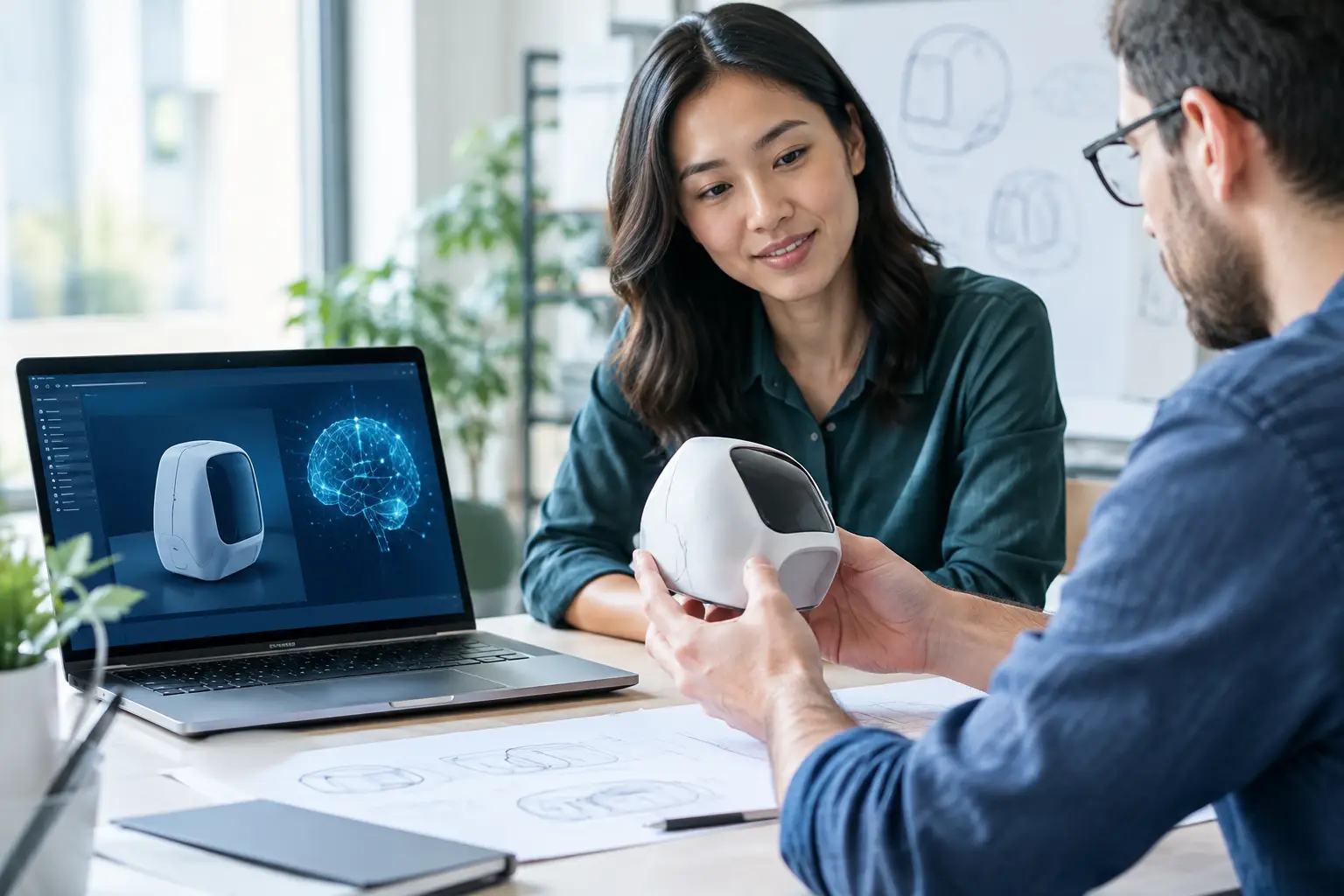
A product can work brilliantly and still be vulnerable if its most valuable feature is not protected the right way. The utility patent versus design patent decision comes down to a practical question: are you trying to protect how your invention works, how it looks, or both? Getting that answer right early can shape your prototype, development budget, filing strategy, and ability to compete.
For inventors and product entrepreneurs, patents should not be treated as paperwork added after development. They are part of the product strategy. A thoughtful approach connects the concept, engineering, prototype, visual design, and commercial plan before competitors have an opportunity to copy what makes the idea valuable.
Utility Patent Versus Design Patent: The Core Difference
A utility patent protects the way an invention functions. It may cover a new machine, device, process, system, composition, or an improvement to an existing product. If your product solves a technical problem through a particular structure, mechanism, interaction, or method, utility patent protection may be relevant.
A design patent protects the product’s ornamental appearance. It covers how an article looks, not its functional operation. The protected subject matter may include the overall shape, surface ornamentation, configuration, or visual arrangement of a physical product.
Consider a new countertop appliance with an original locking mechanism and a distinct sculpted housing. The locking mechanism could potentially support utility patent claims because it performs a function. The sculpted housing could potentially support a design patent because it creates a recognizable visual appearance. One product can contain both types of intellectual property.
The distinction matters because a patent only protects what is actually claimed. A design patent will not stop someone from using your functional concept in a differently shaped product. A utility patent generally will not stop someone from copying the visual style of your product if they avoid the claimed functional features.
What a Utility Patent Can Protect
A utility patent is often the stronger option when the commercial value of an invention lies in what it does. This might be a medical-device mechanism, a consumer-product improvement, an electronic control system, a specialized tool, or a manufacturing process.
Utility patent applications rely heavily on written claims. Those claims define the boundaries of the invention in legal and technical terms. Drawings, engineering details, material choices, component relationships, and operational sequences can all become important. That is why an early sketch alone may not be enough to support a confident filing strategy.
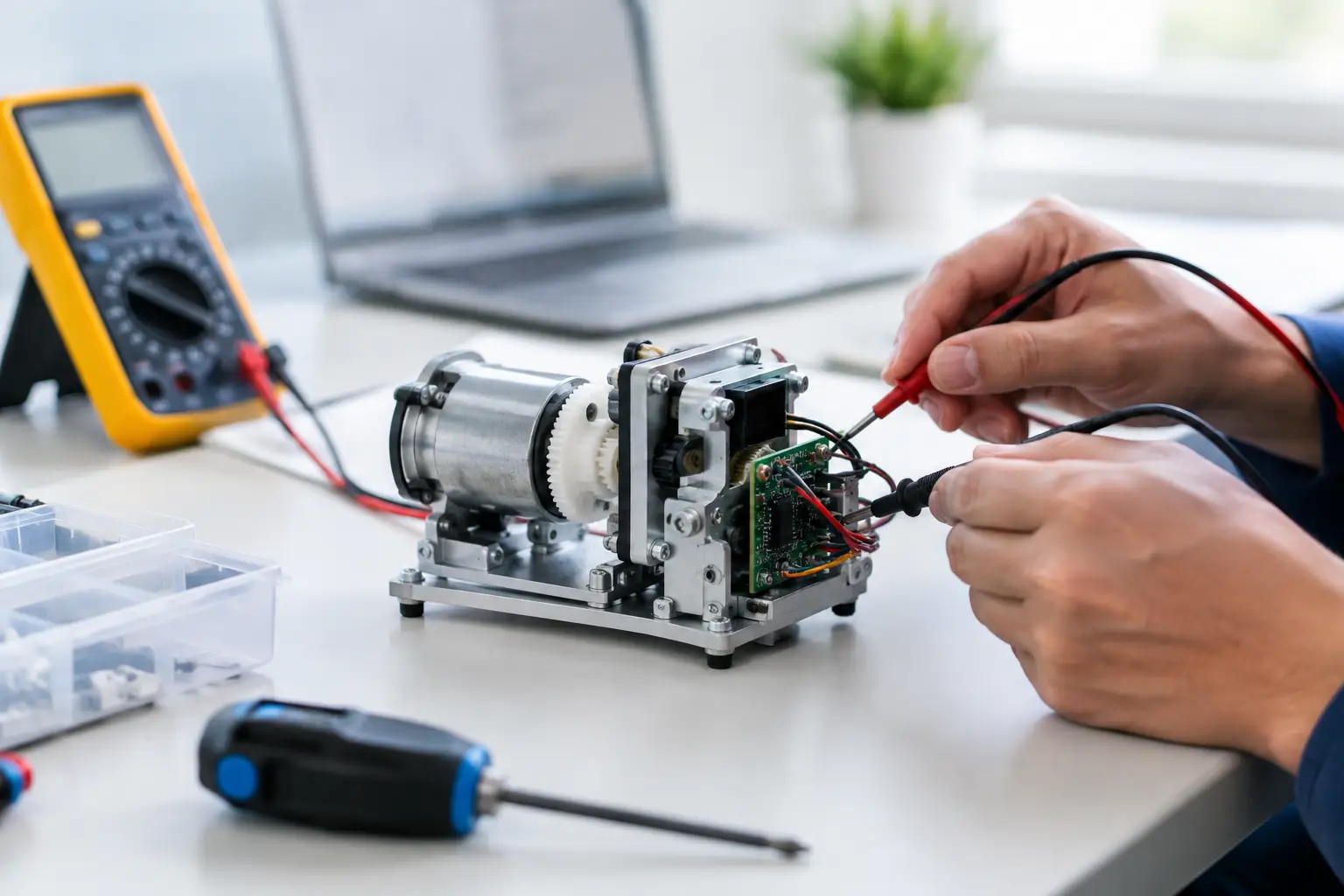
A functional prototype can be especially valuable during this stage. It allows an inventor to test whether the concept performs as intended and exposes design issues before they become expensive. For example, a new child-safety latch may look simple on paper but require several revisions to achieve reliable operation, manufacturability, and user-friendly installation. Each change can affect what is truly new and what should be emphasized in a patent application.
Utility patents can provide protection for up to 20 years from the filing date, subject to required fees and other conditions. The process is usually more involved than design patent prosecution, and examination can take longer. The investment can be worthwhile when the product’s core function is difficult for competitors to avoid without sacrificing performance.
What a Design Patent Can Protect
A design patent is often a smart choice when a product’s appearance is a major reason customers recognize and buy it. This is common with consumer goods, furniture, packaging, lighting, wearable products, home accessories, and products where visual differentiation influences purchasing decisions.
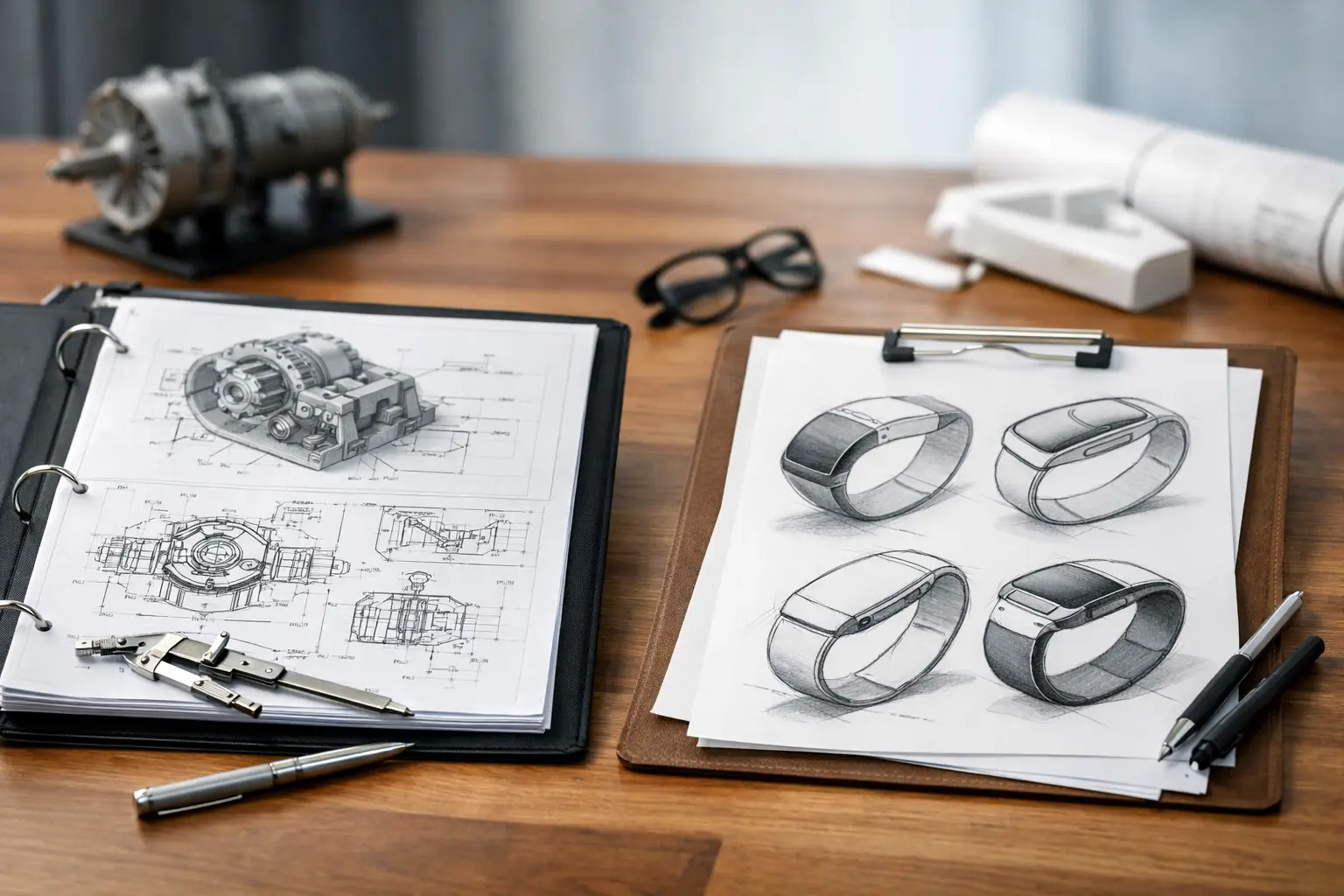
The drawings are central to a design patent application. They show the claimed appearance and often determine the practical scope of protection. Solid lines generally identify the visual features being claimed, while broken lines can help show unclaimed environment or context. Small drawing decisions can have major consequences, so the visual design should be settled before filing.
Design patents can provide protection for 15 years from grant in the United States. They are often less expensive and may move through examination more efficiently than utility patent applications. But lower cost does not mean lower value. A strong design patent can be a meaningful business asset when the product has a distinctive silhouette, surface pattern, or overall visual identity that customers immediately associate with your brand.
There is a trade-off. If the appearance is dictated entirely by function, design patent protection may be limited. A handle shape that exists only because no other shape can perform the same job may be more difficult to protect as an ornamental design. The key is whether the claimed visual appearance has an ornamental character beyond pure utility.
When One Patent Type Is Not Enough
Many product businesses should consider utility and design protection as complementary rather than competing choices. The right answer depends on the product, market, budget, and competitive risk.
Imagine a portable pet-water dispenser with a new one-hand valve that reduces spills. The valve arrangement may be the functional innovation worth evaluating for a utility patent. If the dispenser also has a distinctive curved bottle profile and cap configuration that make it stand out on a shelf, the visual design may justify separate design patent consideration.
Filing both can create a more complete protection strategy. The utility application can focus on the operating principles that make the product better. The design application can focus on the recognizable appearance that makes it harder for look-alike products to blend into the market.
That does not mean every invention needs both. A founder with a limited budget may need to prioritize the feature that drives the most commercial value. If competitors can easily create a visually different version that performs the same way, functional protection may deserve priority. If the function is conventional but the product has a highly original appearance, design protection may be the more logical first step.
The Prototype’s Role in Patent Strategy
A prototype is not legally required before filing every patent application. However, developing one can strengthen business decisions because it forces the idea to become specific. Vague concepts turn into parts, dimensions, movements, materials, user interactions, and manufacturing realities.
For a utility patent, a proof-of-concept prototype helps reveal whether the proposed solution works and whether the inventive feature is truly necessary. It can also help a patent professional understand the invention well enough to identify variations worth including in the application. The goal is not merely to build a model that looks impressive. The goal is to document and refine the functional story behind the invention.
For a design patent, high-quality CAD models and product renderings help establish the exact appearance you intend to protect. Design changes made after filing may require a new application if they materially alter the claimed visual impression. Rushing to file before the industrial design is mature can create a protection gap later.
A practical development process keeps patent strategy in view while decisions are still flexible. That means documenting iterations, preserving dated design records, identifying the product’s differentiating features, and avoiding unnecessary public disclosure before speaking with qualified patent counsel. Public displays, online posts, sales activity, and crowdfunding campaigns can affect patent rights, particularly outside the United States.
Cost, Timing, and Business Priorities
Utility patent applications generally require more technical drafting, more extensive claims, and potentially more back-and-forth with the United States Patent and Trademark Office. That can mean higher legal and development costs. A well-prepared application should be viewed as an investment in a commercially important invention, not a generic form to file quickly.
Design patent applications are often more straightforward, but they still demand precision. The drawings must accurately capture the protected design, and the product must have an appearance that is new and non-obvious when compared with earlier designs.
Before choosing a path, ask what a competitor would copy first if your product succeeded. Would they copy the internal mechanism, the user experience, the external form, or all of it? Then ask what they could change without losing the product’s appeal. Those answers often reveal where protection will matter most.
An experienced product development team can help turn those questions into tangible development priorities. At Industry of Concepts, engineering, modeling, prototyping, and patent-oriented development support can help inventors move from an uncertain concept toward a product that is ready for informed legal review and commercialization.
Build the Product You Intend to Protect
The best patent strategy begins before the product is locked into a final form. Define the problem your invention solves, identify the features customers will value, test the concept, and document the decisions that make it different. Then work with a registered patent attorney or patent agent to determine what protection is appropriate for your specific invention.
A utility patent versus design patent choice is not just a legal distinction. It is a decision about where your product’s value lives. Build that value deliberately, protect the right parts of it, and give your idea a stronger foundation for the market ahead.